
Is Ginger ale Halal?
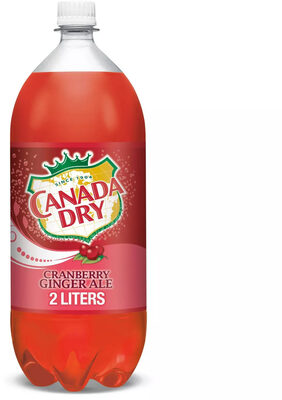
Yes, standard Ginger ale is Halal. Based on a detailed analysis of the typical ingredients found in popular brands, there are no animal-derived products, alcohol, or other forbidden substances used in its production. This carbonated beverage is generally considered safe for consumption by those adhering to Halal dietary guidelines.
The Ingredient Breakdown
When determining if a beverage is Halal, we look for specific red flags: alcohol, animal by-products (like gelatin or rennet), and certain chemical additives derived from non-permissible sources. Let's look at the standard profile of a Ginger ale:
Carbonated Water and Sweeteners: The base is simply carbonated water. The sweetness usually comes from High Fructose Corn Syrup (HFCS). While HFCS is controversial for health reasons (sugar content), it is derived entirely from corn, a plant source. It contains no animal products or alcohol, making it Halal compliant.
Acids and Preservatives: Ingredients like Citric Acid and Sodium Benzoate are used for tartness and shelf stability. Citric acid is typically fermented from molasses or corn syrup by fungi (like Aspergillus niger), and Sodium Benzoate is a synthetic salt. Neither poses a Halal issue.
Flavors and Colors: The 'natural and artificial flavors' in Ginger ale are usually essential oils (like ginger or lemon) and synthetic chemicals to mimic the taste. Crucially, unlike some cream sodas or root beers, Ginger ale does not typically use Vanilla extract (which sometimes contains trace alcohol) or Caramel Color processed with ammonia (a potential concern in strict interpretations). The colors listed, Red 40 and Blue 1, are synthetic dyes. While some Muslims prefer to avoid artificial dyes entirely due to personal health or ethical views, they are chemically synthesized and do not contain animal products or alcohol, making them technically Halal.
Nutritional Value
While Ginger ale passes the Halal test, it is important to consider its nutritional profile. A standard 12-ounce can contains approximately 140 calories, derived almost entirely from the High Fructose Corn Syrup. There is zero fat, protein, or fiber.
From a dietary standpoint, this beverage is considered 'empty calories.' It provides a quick spike in blood sugar but offers no vitamins or minerals. For those watching their sugar intake or managing weight, Ginger ale should be treated as an occasional treat rather than a daily staple, regardless of its Halal status.
Frequently Asked Questions
Does Ginger ale contain dairy or gluten?
Is Ginger ale good for weight loss?
Where can I buy Ginger ale?
Is Ginger ale safe for kids?

Pro Tip
Always double-check the label. Manufacturers change ingredients frequently without notice!