
Is Green goodness Keto?
If you are strictly following a ketogenic diet, you should avoid Green goodness. While it markets itself as a nutrient-dense superfood blend, the nutritional profile is fundamentally incompatible with keto macros. The high concentration of fruit juices and specific grass powders creates a high-carb, high-sugar product that will likely disrupt ketosis.
The Ingredient Breakdown
As a food scientist, looking at the label for Green goodness reveals a product that is more of a fruit juice blend than a low-carb vegetable drink. The primary issue for keto dieters lies in the first four ingredients listed, which constitute the bulk of the volume.
The formula relies heavily on pineapple juice from concentrate, apple juice from concentrate, mango puree from concentrate, and banana puree. In the world of nutrition, concentration removes water, effectively doubling the sugar density before any additional sweeteners are added. These fruits are naturally high in fructose, a sugar that is strictly limited on keto because it rapidly converts to glucose in the bloodstream.
Furthermore, there are specific ingredients that present a 'hidden carb' and gluten risk. The inclusion of barley grass powder and wheat grass powder is a significant red flag. While young grasses are sometimes considered gluten-free by definition, they are frequently harvested and processed on the same equipment as mature wheat and barley. For anyone with Celiac disease or a strict gluten sensitivity, this is a contamination risk. For the keto dieter, these grasses contribute to the overall carbohydrate count without providing the fiber needed to offset the net carbs.
Finally, while spirulina powder and spinach powder are excellent low-carb additions, they are likely underdosed in this formula to mask the overwhelming sweetness of the fruit base. The green tea extract provides a caffeine boost, but it does not negate the metabolic impact of the sugar load.
Nutritional Value
From a macronutrient perspective, Green goodness is designed for energy, not fat burning. A standard serving of similar fruit-heavy green juices typically contains between 18 to 25 grams of sugar, with total carbohydrates often exceeding 30 grams. On a standard keto diet, the daily limit for net carbs is usually 20 to 25 grams. Consuming a single bottle of Green goodness would immediately exceed your daily allowance, kicking you out of ketosis.
The calorie count is also deceptive. Because the product is liquid, it lacks the satiety of whole foods. You are essentially drinking a glass of fruit juice with a dusting of vitamins. This creates a 'sugar spike' followed by a crash, which is the exact opposite of the stable energy levels sought by those in 'fat adaptation.' While the product is low in fat (which is typical for green juices), the lack of fat means it does not provide the fuel your body needs on this specific diet.
Frequently Asked Questions
Does Green goodness contain dairy or gluten?
Is Green goodness good for weight loss?
Where can I buy Green goodness?
Is Green goodness safe for kids?
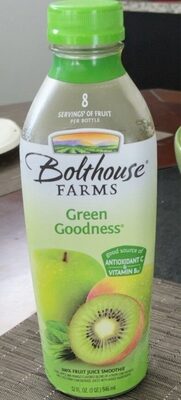
Green goodness
Keto Analysis
We recommend searching for certified Keto alternatives.
Pro Tip
Always double-check the label. Manufacturers change ingredients frequently without notice!