
Is Herbal Grass Jelly Dessert Keto?
If you are following a strict ketogenic diet, you should avoid Herbal Grass Jelly Dessert. While this traditional sweet soup is refreshing and delicious, its ingredient profile is packed with hidden carbohydrates that make it incompatible with keto macros. In this article, we will break down exactly why this dessert will kick you out of ketosis and explore the nutritional science behind the ingredients.
The Ingredient Breakdown
To understand why this dessert fails the keto test, we need to look at the specific components listed on the label. As a food scientist, I look beyond the marketing claims and focus on the chemical composition of what you are actually eating.
The primary red flag is the inclusion of Sugar. In the keto diet, sugar is the ultimate enemy because it causes rapid spikes in blood glucose and insulin levels, effectively shutting down fat-burning mode (ketosis). Even a small serving of this dessert contains enough added sugar to disrupt your metabolic state.
We also see Red Beans, Mung Beans, and Kidney Beans. While beans are a source of fiber, they are also legumes that are naturally high in starch. On a keto diet, the goal is usually to stay under 20-50 grams of net carbs per day. A single serving of this dessert, loaded with beans, can easily consume a significant portion of that allowance, leaving very little room for other vegetables or fats throughout the day.
Furthermore, the texture of the jelly relies on Tapioca Starch. Tapioca is a pure starch derived from the cassava root. It is essentially pure glucose and has a very high glycemic index. It provides no nutritional value to a keto dieter other than rapid energy that will likely be stored as fat if your glycogen stores are full.
Finally, Xanthan Gum is used as a thickener. While xanthan gum is generally keto-approved in small amounts as a stabilizer, its presence here indicates a processed food product designed to mimic the texture of traditional cooking methods without the labor. It doesn't add carbs, but it confirms the highly processed nature of the dessert.
Nutritional Value
When analyzing the nutritional profile of Herbal Grass Jelly Dessert, the macronutrient ratio is completely skewed for a ketogenic lifestyle. A standard serving of this dessert typically contains a high amount of carbohydrates—often ranging from 30 to 50 grams per cup—primarily derived from the added sugar and the beans.
For a diet that relies on high fat (70-75%) and very low carb (5-10%), this product offers the opposite: high carb and low fat. The calories in this dessert are 'empty' in the context of keto; they come from sugar and starch rather than healthy fats or proteins that sustain energy levels.
Even the 'grass jelly' component (Mesona), which is technically a herb, is cooked and suspended in a sugary syrup. Therefore, any potential antioxidant benefits are overshadowed by the metabolic impact of the sugar load. It simply does not fit the macronutrient limits required to maintain a state of nutritional ketosis.
Frequently Asked Questions
Does Herbal Grass Jelly Dessert contain dairy or gluten?
Is Herbal Grass Jelly Dessert good for weight loss?
Where can I buy Herbal Grass Jelly Dessert?
Is Herbal Grass Jelly Dessert safe for kids?
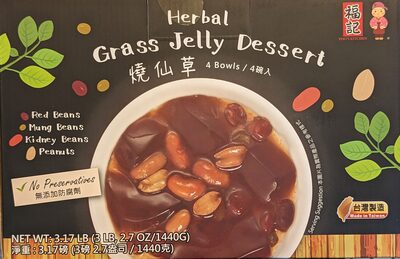
Herbal Grass Jelly Dessert
Keto Analysis
We recommend searching for certified Keto alternatives.
Pro Tip
Always double-check the label. Manufacturers change ingredients frequently without notice!