
Is Hondashi Keto?
No, Hondashi is generally not considered keto-friendly. While it is low in calories and fat, the presence of added sugars and starches in its ingredient list makes it a risky choice for maintaining a state of ketosis. If you are strictly following a ketogenic diet, you should be aware that this popular dashi concentrate contains hidden carbs.
The Ingredient Breakdown
To understand why Hondashi doesn't fit the keto mold, we need to look beyond the savory bonito flavor and examine the chemistry of the ingredients. While the core components are derived from fish, several additives are used to enhance flavor, texture, and shelf stability.
The primary red flag for keto dieters is the presence of multiple sweeteners. Ingredients like dextrose, maltose, and xylose are types of sugar. Dextrose, in particular, is a glucose derivative that can spike blood sugar levels and potentially kick you out of ketosis. Even in small quantities, these sugars add up, especially if you use Hondashi frequently in your cooking.
Additionally, the ingredient list includes lactose and sugar. Lactose is milk sugar, which contributes to the total carbohydrate count. While the amounts might be small per serving, the strict nature of the keto diet (typically under 20-50g of net carbs per day) means that every gram of sugar counts. The combination of these sweeteners makes the product unsuitable for strict keto adherence.
Nutritional Value
On the surface, Hondashi appears to be a dieter's dream. A typical serving contains negligible fat and very few calories. However, the ketogenic diet is not just about low calories; it is about macronutrient ratios. The diet requires high fat, moderate protein, and very low carbohydrate intake.
The nutritional profile of Hondashi is dominated by sodium (which is common in bouillons) and carbohydrates derived from the added sugars. Because the product is used in small amounts, the total carb count per serving might look low (often less than 1 gram). However, the issue lies in the type of carbs. The simple sugars used in Hondashi are high-glycemic, meaning they are absorbed rapidly. For someone relying on fat burning for energy, this interruption can be counterproductive. It fits neither the high-fat requirement nor the strict carb limits of the diet.
Frequently Asked Questions
Does Hondashi contain dairy or gluten?
Is Hondashi good for weight loss?
Where can I buy Hondashi?
Is Hondashi safe for kids?
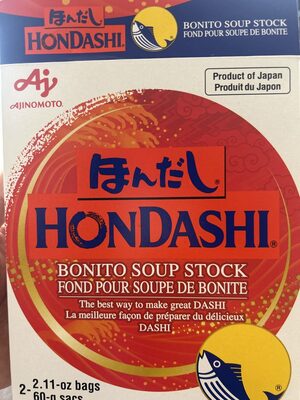
Hondashi
Keto Analysis
We recommend searching for certified Keto alternatives.
Pro Tip
Always double-check the label. Manufacturers change ingredients frequently without notice!