
Is Horseradish Gluten Free?
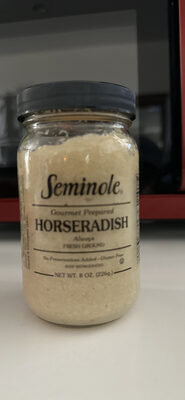
Yes, horseradish is gluten-free. Based on a detailed analysis of the standard ingredient list, this fiery condiment does not contain wheat, barley, or rye derivatives. It is a safe and flavorful addition to the diet of anyone managing celiac disease or gluten sensitivity.
The Ingredient Breakdown
To understand why horseradish is generally safe for a gluten-free diet, we need to look at the core components found in most commercial jars. The primary ingredient is, unsurprisingly, HORSERADISH itself. This is a root vegetable, specifically a Brassicaceae family member, which is naturally free of gluten proteins. It provides the signature heat and pungency without any risk of gluten contamination from the source crop.
The liquid component in most prepared horseradish is DISTILLED VINEGAR. It is crucial to distinguish this from malt vinegar, which is derived from barley and contains gluten. Distilled vinegar, regardless of whether it starts as a grain-based alcohol, undergoes a rigorous distillation process that removes all protein molecules, including gluten. Therefore, the final liquid is chemically pure acetic acid and is universally accepted as gluten-free.
Finally, we have SALT and ARTIFICIAL FLAVORING. Salt is a mineral and poses no gluten risk. While artificial flavoring can sometimes be a gray area in food science, in the context of a simple condiment like horseradish, these are typically synthetic compounds designed to mimic or enhance the natural root flavor. They are not derived from gluten-containing grains. Consequently, this specific formulation presents no flags for gluten content.
Nutritional Value
From a nutritional standpoint, horseradish is an incredibly low-impact food, making it excellent for those monitoring their intake. A typical serving contains a negligible amount of calories, often fewer than 5 per tablespoon. This makes it an ideal condiment for adding intense flavor to lean proteins or vegetables without significantly increasing the caloric load of the meal.
Regarding macronutrients, horseradish is virtually fat-free and contains almost no sugar. Unlike many sauces and condiments that rely on sugar or oil for texture and taste, the heat of horseradish comes from a compound called allyl isothiocyanate, which has no caloric value. This makes it a superior choice for low-carb, keto, and weight-loss diets compared to sweet relishes or creamy sauces.
It is worth noting that horseradish is high in sodium due to the preservation salt. However, because the flavor is so potent, a very small amount is sufficient to season food. This allows you to keep overall sodium intake in check while maximizing taste. It fits well within standard diet limits as long as consumption is moderate.
Frequently Asked Questions
Does Horseradish contain dairy or gluten?
Is Horseradish good for weight loss?
Where can I buy Horseradish?
Is Horseradish safe for kids?
Pro Tip
Always double-check the label. Manufacturers change ingredients frequently without notice!