
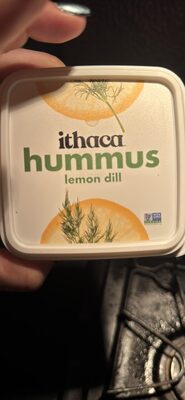
Is hummus lemon dill Kosher?
Yes, hummus lemon dill is generally considered Kosher. Based on a detailed analysis of the standard ingredient profile—including chickpeas, sunflower oil, and fresh dill—this product contains no meat derivatives or non-Kosher additives. It is a safe and compliant choice for those observing Kosher dietary laws.
The Ingredient Breakdown
When determining if a product like lemon dill hummus is Kosher, we look at the source of every component. Fortunately, this specific variety relies heavily on plant-based ingredients that are naturally compliant. The base of chickpeas and water is inherently Kosher (Pareve), providing a neutral foundation that requires no special certification beyond standard processing hygiene.
The fats and acids used in this recipe are also key to its compliance. Organic sunflower oil and cold pressed lemon juice are plant-derived, making them Pareve. This is crucial because it avoids the complex certification requirements associated with dairy or animal fats. Similarly, the inclusion of tahini (ground sesame seeds) and vinegar are standard in Kosher cooking, provided the vinegar is derived from non-wine sources, which is typical for industrial food production.
Finally, the flavor profile—consisting of fresh garlic, salt, dill, and crushed red pepper—poses no issues. Spices and fresh herbs are naturally Kosher. The only time spices become a concern is if they are processed on shared equipment with non-Kosher products, but for general hummus production, these ingredients are considered safe. There are no flags for hidden animal enzymes or dairy byproducts in this specific list.
Nutritional Value
From a nutritional standpoint, this hummus offers a balanced profile typical of the category. It is rich in plant-based protein and fiber from the chickpeas, which aids in satiety and digestive health. The sunflower oil provides healthy unsaturated fats, essential for nutrient absorption, though it does contribute to the overall calorie count.
Because this recipe relies on cold pressed lemon juice and vinegar for acidity rather than added sugars, it is generally low in carbohydrates and sugar. This makes it an excellent option for those monitoring their glycemic intake. However, portion control is still important; while the fats are healthy, the caloric density of oil-based dips can add up quickly. It fits well within a heart-healthy diet that emphasizes whole, plant-based foods.
Frequently Asked Questions
Does hummus lemon dill contain dairy or gluten?
Is hummus lemon dill good for weight loss?
Where can I buy hummus lemon dill?
Is hummus lemon dill safe for kids?

Pro Tip
Always double-check the label. Manufacturers change ingredients frequently without notice!