
Is Iced tea Halal?
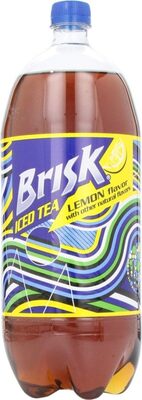
The short answer is: MAYBE. While a standard glass of iced tea is naturally plant-based, commercial bottled versions introduce a complex web of additives that require a closer look. The primary concern isn't pork or alcohol, but rather ambiguous flavorings and artificial sweeteners that can be derived from questionable sources.
The Ingredient Breakdown
As a food scientist, I look beyond the label to the chemistry. When analyzing a standard commercial iced tea, the ingredients list is a mix of the harmless and the highly processed. Here is the breakdown of why this drink lands in the 'gray area' of Halal consumption.
The base ingredients—Water, Instant Tea, and Caramel Color—are unequivocally Halal. Tea leaves are plants, and the processing of tea into an instant powder is purely mechanical. However, the situation becomes complicated with the sweeteners and flavor enhancers.
The primary red flag is Natural Flavor. In the food industry, 'natural flavor' can be derived from a vast array of sources. While it often comes from plant material, it can also be derived from animal byproducts or fermented using cultures that may not be Halal compliant. Without specific disclosure from the manufacturer, it is impossible to verify the source of this flavoring.
Additionally, the sweetening system is aggressive. The combination of High Fructose Corn Syrup, Acesulfame Potassium, and Sucralose raises questions about the processing aids used to create these sweeteners. While artificial sweeteners like Sucralose are generally considered Halal, they are often processed with bone char or other filtration agents in the sugar industry, though usually not in the final sweetener product itself. The preservatives Sodium Benzoate and Potassium Sorbate are synthetically produced and are generally safe, but the overall chemical load is high.
Nutritional Value
From a nutritional standpoint, this iced tea is essentially liquid sugar with a splash of tea extract. A single serving contains a significant amount of High Fructose Corn Syrup, which can spike blood glucose levels rapidly. While the inclusion of Sucralose and Acesulfame Potassium attempts to lower the calorie count, the presence of HFCS keeps the sugar load high.
The drink is virtually devoid of nutritional value—there are no significant vitamins, minerals, or fiber. It is a source of empty calories. For those adhering to a Halal lifestyle, which often emphasizes health and moderation (Tayyib), this beverage offers little benefit. The Calcium Disodium EDTA is added to protect flavor, but it is a chelating agent that binds minerals, potentially interfering with the absorption of essential nutrients if consumed in excess.
Frequently Asked Questions
Does Iced tea contain dairy or gluten?
Is Iced tea good for weight loss?
Where can I buy Iced tea?
Is Iced tea safe for kids?

Iced tea
Halal Analysis
We recommend searching for certified Halal alternatives.
Pro Tip
Always double-check the label. Manufacturers change ingredients frequently without notice!