
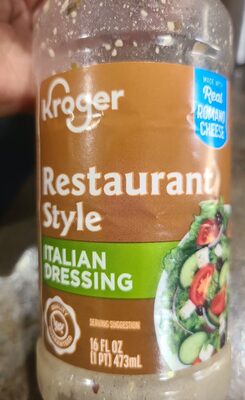
Is Italian Dressing, Restaurant Style Halal?
Yes, Italian Dressing, Restaurant Style is considered halal. Based on the ingredient list provided, there are no animal-derived ingredients that are impermissible, nor is there any alcohol present. This dressing relies on vegetable oil, vinegar, and spices to create its signature tangy flavor, making it a safe choice for those adhering to halal dietary guidelines.
The Ingredient Breakdown
When determining if a processed food is halal, we must look beyond the marketing and inspect the chemistry. For this Restaurant Style Italian Dressing, the base is a simple emulsion of water and soybean oil. The acidity comes from distilled vinegar, which is halal and safe. The flavor profile is built with sugar, salt, dried garlic, onion powder, and a blend of spices.
The most critical ingredients to scrutinize in any dressing are the emulsifiers and flavor enhancers. Here, xanthan gum is used as a thickener; it is a polysaccharide produced by fermentation and is entirely plant-based. To maintain shelf stability, the product uses calcium disodium EDTA to protect flavor and annatto extract for that classic orange hue—both are synthetic or plant-derived additives that pose no religious dietary concerns.
However, two ingredients require specific attention due to the 'Contains' statement. First is Romano cheese. While cheese is generally halal, strict vegetarians sometimes avoid enzymes derived from animal rennet. In this case, the enzymes used are microbial or fungal, making the cheese permissible. Second is egg yolk. Eggs are halal, but they are a major allergen. This dressing is not vegan, but it is fully halal.
Nutritional Value
While this dressing is religiously permissible, it is important to consider its nutritional density. A standard serving of Restaurant Style Italian Dressing is relatively high in fat due to the soybean oil. While this is a vegetable oil and thus free of trans fats, the calorie count can add up quickly when drizzled generously over salads.
The sugar content is another factor to monitor. Many commercial dressings use sugar to balance the vinegar's acidity. If you are strictly monitoring your sugar intake for health reasons, this dressing contributes to your daily limit. However, compared to creamy dressings like Ranch or Blue Cheese, Italian dressing is significantly lower in saturated fat and overall calories, making it a 'lighter' option in terms of pure energy density.
Frequently Asked Questions
Does Italian Dressing, Restaurant Style contain dairy or gluten?
Is Italian Dressing, Restaurant Style good for weight loss?
Where can I buy Italian Dressing, Restaurant Style?
Is Italian Dressing, Restaurant Style safe for kids?
Pro Tip
Always double-check the label. Manufacturers change ingredients frequently without notice!