
Is Italian Dressing Vegan?
The answer to whether Italian dressing is vegan is MAYBE. While the base ingredients appear plant-based, hidden components like processed sugar and ambiguous 'natural flavor' can complicate things for strict vegans. This guide breaks down exactly what to look for on the label so you can dress your salad with confidence.
The Ingredient Breakdown
At first glance, the ingredient list for a standard Italian dressing looks promisingly plant-based. The bulk of the volume comes from WATER, SOYBEAN OIL, and DISTILLED VINEGAR. These are foundational ingredients that are universally vegan. However, as a food scientist, I know that the devil is in the details—and the details are often found in the preservatives and flavor enhancers.
The first potential hurdle is the SUGAR. In the United States, white sugar is often processed using bone char, a filter medium made from the bones of cattle. While the sugar itself contains no animal matter, the processing method renders it non-vegan in the strictest sense. Unless the brand explicitly states they use organic or unrefined sugar, this ingredient is a gray area.
The second, and more significant flag, is NATURAL FLAVOR. This term is a regulatory catch-all that can hide a multitude of ingredients. While 'natural flavor' in an Italian dressing is most likely derived from herbs, vegetables, or citrus, it can technically include animal-derived compounds used to round out the flavor profile. Without specific disclosure from the manufacturer, it is impossible to guarantee its plant-based origin.
Finally, we have AUTOLYZED YEAST EXTRACT. This ingredient is a fantastic flavor enhancer, providing a savory, umami kick that mimics meat-based broths. It is derived from yeast, which is a fungus, making it vegan. However, it is often a point of confusion for those with specific dietary restrictions, though it poses no issue for vegans.
Nutritional Value
From a nutritional standpoint, Italian dressing is a classic example of a high-fat, low-nutrient condiment. The primary ingredient by volume after water is SOYBEAN OIL, a source of polyunsaturated fats. While fat is necessary for the body, a single serving of this dressing (usually two tablespoons) contributes a significant portion of your daily fat intake without providing substantial vitamins or minerals.
The SUGAR content is another consideration. Many commercial Italian dressings contain added sugars to balance the acidity of the vinegar. For those monitoring their glycemic index or caloric intake, this can be a hidden source of empty calories. It fits within a diet as a flavor enhancer, but it shouldn't be consumed in large quantities if you are strictly watching your sugar intake.
Overall, this dressing fits into a diet as a flavoring agent rather than a nutritional powerhouse. It is low in protein and fiber, but it can make eating salads more palatable, which is a net positive for increasing vegetable intake.
Frequently Asked Questions
Does Italian Dressing contain dairy or gluten?
Is Italian Dressing good for weight loss?
Where can I buy Italian Dressing?
Is Italian Dressing safe for kids?
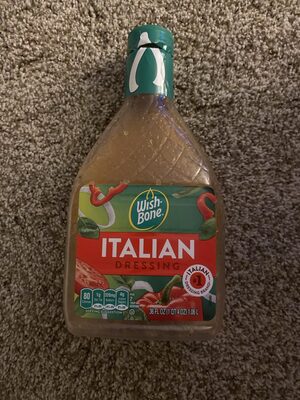
Italian Dressing
Vegan Analysis
We recommend searching for certified Vegan alternatives.
Pro Tip
Always double-check the label. Manufacturers change ingredients frequently without notice!