
Is Juice Kosher?
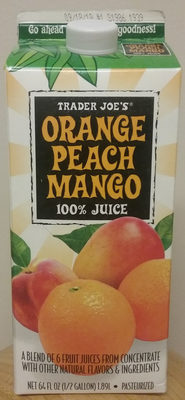
Yes, this juice is kosher. Based on a detailed analysis of its ingredients, including filtered water, various fruit concentrates, and standard additives like citric acid, there are no flags or non-kosher components found. It is safe for consumption under kosher dietary laws.
The Ingredient Breakdown
When determining if a processed food like juice is kosher, we look beyond the fruit itself and examine every additive and processing aid. The base ingredients here—apple juice concentrate, orange juice concentrate, pineapple juice concentrate, white grape juice concentrate, peach puree concentrate, and mango juice concentrate—are inherently kosher. Fruits do not require a kosher certification symbol (hechsher) unless they have been processed in a way that might introduce non-kosher elements, such as being dried with wine or processed on equipment used for non-kosher items. However, in this blend, the concentrates are standard.
The additives are where strict scrutiny is applied. Citric acid is a common acidulant derived from the fermentation of carbohydrates (usually corn or sugar). While historically there was a concern regarding the source of citric acid, modern commercial production is almost exclusively microbial and kosher. Natural flavors are the most complex ingredient to analyze. These are proprietary blends that could theoretically contain non-kosher elements (like vanilla extract made with non-kosher alcohol). However, in the context of a major commercial juice blend, natural flavors are almost always synthetic or derived from kosher plant sources. Finally, ascorbic acid (Vitamin C) is a synthetic antioxidant that is universally kosher. There are no animal-derived ingredients, no alcohol used as a solvent, and no hidden processing agents mentioned in the profile.
Nutritional Value
While this juice passes the kosher test, it is important to consider its nutritional profile. The product relies on juice concentrates and purees. When fruit is processed into concentrate, water is removed, which concentrates the natural sugars. When reconstituted, the sugar content is similar to that of whole fruit juice, meaning it is high in natural sugars (fructose and glucose). There are no added sugars listed, which is a positive, but the calorie count will be significant due to the density of the fruit sugars.
The product contains zero fat and zero protein. It is essentially a source of carbohydrates (sugars) and hydration. The ascorbic acid boosts the Vitamin C content, making it a good source of that specific nutrient. For those on a low-carb or ketogenic diet, this juice would likely not fit within daily limits due to the high sugar content. However, for a general diet, it provides a quick source of energy and hydration, though whole fruit is always nutritionally superior due to the fiber content which is lost during juicing.
Frequently Asked Questions
Does Juice contain dairy or gluten?
Is Juice good for weight loss?
Where can I buy Juice?
Is Juice safe for kids?



Pro Tip
Always double-check the label. Manufacturers change ingredients frequently without notice!