
Is Kit Kat Cereal Keto?
The short answer is no, Kit Kat Cereal is not keto-friendly. While the concept of a chocolatey, crunchy breakfast cereal sounds tempting, the ingredient list is dominated by high-carb fillers and sugars that will immediately kick you out of ketosis. If you are strictly following a ketogenic diet, this is one cereal you need to avoid.
The Ingredient Breakdown
As a food scientist, looking at the ingredient list for Kit Kat Cereal reveals a formulation designed for shelf stability and sweetness rather than nutritional density or metabolic health. The primary issue for keto dieters is the sheer volume of carbohydrates derived from grains and added sugars.
The first red flag is the base of the cereal: Whole Grain Wheat and Whole Grain Corn. Wheat is a high-carb grain that contains gluten, while corn is essentially a starchy carbohydrate. Even in 'whole grain' form, these ingredients contribute significant amounts of net carbs that exceed a daily keto limit in just a small serving.
Next, we have a cascade of sweeteners. The ingredients list includes Sugar, Dextrose, and Corn Syrup. Dextrose is a form of glucose derived from corn and has a high glycemic index, meaning it causes a rapid spike in blood sugar and insulin. On a keto diet, insulin spikes inhibit fat burning. Furthermore, the chocolate components—Milk Chocolate and Semisweet Chocolate—are primarily composed of sugar and milk solids, adding to the carbohydrate load.
Finally, there are functional additives like Trisodium Phosphate. While often used in cereals to improve texture and act as a cleaning agent for the processing equipment, it doesn't add carbs, but it highlights the highly processed nature of the product. The presence of Barley Malt Extract is also notable; while used for flavor, malt extracts are derived from grains and contribute to the overall sugar content.
Nutritional Value
When analyzing the nutritional profile of Kit Kat Cereal, the numbers simply don't add up for a ketogenic lifestyle. A standard serving of this cereal contains roughly 30 to 36 grams of total carbohydrates. For context, a strict keto diet usually limits total daily carbohydrates to 20-50 grams. Eating a bowl of this cereal would consume your entire carb allowance for the day in one meal, leaving no room for vegetables or other nutrient-dense foods.
The fat content in the cereal is derived mainly from Canola and/or Sunflower Oil. While keto is a high-fat diet, the quality of fat matters. Highly processed seed oils are generally discouraged in favor of healthier fats like avocado oil, coconut oil, or animal fats. Additionally, the protein content is relatively low compared to the carbohydrates, failing to provide the satiety needed to keep you full until lunch.
Ultimately, the calorie count is high for a breakfast bowl that offers little nutritional return. The high sugar content ensures that the energy provided is short-lived, leading to a crash later in the morning. For these reasons, Kit Kat Cereal does not fit the macronutrient ratios required to maintain ketosis.
Frequently Asked Questions
Does Kit Kat Cereal contain dairy or gluten?
Is Kit Kat Cereal good for weight loss?
Where can I buy Kit Kat Cereal?
Is Kit Kat Cereal safe for kids?
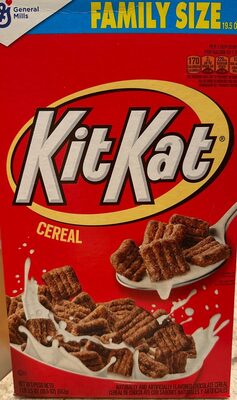
Kit Kat Cereal
Keto Analysis
We recommend searching for certified Keto alternatives.
Pro Tip
Always double-check the label. Manufacturers change ingredients frequently without notice!