
Is lactose free reduced fat milk Halal?
The short answer is: MAYBE. While lactose free reduced fat milk is fundamentally dairy-based, the specific processing agent used to break down the lactose raises a valid question for Halal consumers. This guide analyzes the specific ingredients to help you determine if your brand meets Halal standards.
The Ingredient Breakdown
When analyzing organic grade a reduced fat milk, the base product is inherently Halal. Milk comes from a permitted animal and is safe to consume. However, the complexity arises with the additives used to process this milk into a lactose-free version.
The primary flag in this product is the lactase enzyme. Lactase is the enzyme used to break down lactose (milk sugar) into glucose and galactose, making the milk digestible for those with lactose intolerance. While lactase itself is a natural enzyme found in the human body, the commercial source matters significantly in Islamic dietary laws.
The concern is that commercial lactase is often derived from fungi (such as Kluyveromyces lactis or Aspergillus oryzae). While fermentation is a natural process, the growth medium used to cultivate these fungi can sometimes contain alcohol or other non-Halal derivatives. Furthermore, some enzymes are derived from yeast, which can be a point of contention depending on the school of thought and the specific processing method.
The other ingredients, vitamin a palmitate and vitamin d3, are generally considered Halal. Vitamin A is usually plant-derived (palmitate), and Vitamin D3 is typically sourced from lanolin (sheep wool) or lichen. Neither of these presents a significant Halal risk regarding the animal source, as lanolin is a wool byproduct, not meat or blood.
Crucial Note: To be certain, you must look for a Halal certification logo on the packaging. If the manufacturer cannot confirm the source of the lactase enzyme, it is best to avoid it or choose a brand that explicitly certifies their enzymes as Halal.
Nutritional Value
From a nutritional standpoint, lactose free reduced fat milk is an excellent choice for most diets. By removing the lactose, the milk often tastes slightly sweeter because the lactose is broken down into simpler sugars (glucose and galactose). However, this does not necessarily mean the total sugar content is higher; it is simply more accessible to the palate.
Being reduced fat (typically 1% or 2%), this milk retains much of the calcium and protein of whole milk but with significantly fewer calories and less saturated fat. It fits well into a heart-healthy diet or a weight management plan. It provides the necessary vitamins (A and D) essential for immune function and bone health without the heavy fat load of whole milk.
Frequently Asked Questions
Does lactose free reduced fat milk contain dairy or gluten?
Is lactose free reduced fat milk good for weight loss?
Where can I buy lactose free reduced fat milk?
Is lactose free reduced fat milk safe for kids?

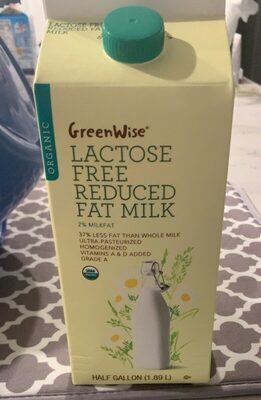
lactose free reduced fat milk
Halal Analysis
We recommend searching for certified Halal alternatives.
Pro Tip
Always double-check the label. Manufacturers change ingredients frequently without notice!