
Is Lemon Cheesecake Keto?
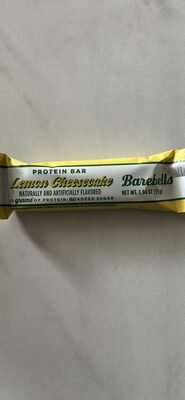
No, Lemon Cheesecake is not keto-friendly. While it attempts to reduce sugar, it relies on sweeteners and starches that are strictly forbidden on a ketogenic diet. If you are tracking your net carbs to stay in ketosis, this specific product will likely derail your progress.
The Ingredient Breakdown
As a food scientist, looking at the label of this Lemon Cheesecake reveals a classic case of 'low-carb' marketing clashing with metabolic reality. The primary issue lies in the sweetener and the binding agents used to mimic the texture of a real cheesecake.
The most concerning ingredient here is maltitol. Maltitol is a sugar alcohol that has a glycemic index of roughly 35 to 50, which is significantly higher than other keto-approved sweeteners like erythritol or stevia. On a ketogenic diet, the goal is to keep insulin low, but maltitol causes a noticeable insulin response in many people. It is notorious for causing digestive distress and can easily spike blood glucose levels, effectively knocking you out of ketosis.
Furthermore, the presence of tapioca starch is a major red flag. Tapioca is a pure starch derived from the cassava root, which is essentially pure glucose. Even in small amounts, starches are strictly limited on keto because they digest directly into sugar. This ingredient is likely used to provide the 'cake' texture, but it adds a significant load of fast-digesting carbohydrates that are hidden in the nutrition label's 'total carbs' count.
Finally, the protein blend—specifically calcium caseinate and soy protein isolate—is generally acceptable for keto macros, as protein is a staple. However, when combined with the high-carb fillers, the net effect is a product that is too high in carbohydrates to be considered a safe keto treat.
Nutritional Value
When evaluating this Lemon Cheesecake for a ketogenic lifestyle, we have to look beyond the basic calorie count. While the product may be lower in calories than a traditional bakery cheesecake, the quality of those calories matters immensely for ketosis.
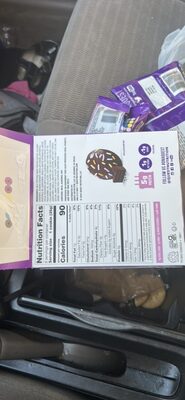
The label flags tapioca starch, which contributes to the net carb count. On a strict keto diet (usually 20g net carbs per day), even 5-10g of net carbs from a single snack can consume half your daily allowance. The combination of maltitol and starch means this product is likely to have a high net carb count relative to its small serving size.
Additionally, the fat content in this product comes from sources like cocoa butter and sunflower oil. While fats are the primary energy source on keto, the presence of sunflower oil (a high omega-6 vegetable oil) is something many health-conscious keto dieters try to avoid due to inflammation concerns. This product is not a 'clean' keto fuel source; it is a processed snack with ingredients that mimic the macros of a keto treat but fail to deliver on the metabolic requirements.
Frequently Asked Questions
Does Lemon Cheesecake contain dairy or gluten?
Is Lemon Cheesecake good for weight loss?
Where can I buy Lemon Cheesecake?
Is Lemon Cheesecake safe for kids?

Lemon Cheesecake
Keto Analysis
We recommend searching for certified Keto alternatives.
Pro Tip
Always double-check the label. Manufacturers change ingredients frequently without notice!