
Is Lemon ginger chews Halal?
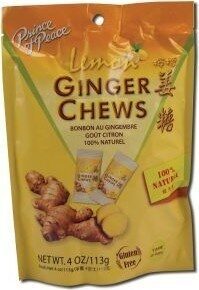
Yes, lemon ginger chews are generally considered Halal. Based on the standard ingredient profile of cane sugar, ginger, tapioca starch, virgin coconut oil, and natural lemon flavor, there are no immediate red flags such as gelatin, alcohol, or animal by-products. This makes them a suitable confectionery option for those adhering to Halal dietary guidelines.
The Ingredient Breakdown
When determining if a candy is Halal, we must look past the flavor and examine the structural components. In the case of standard lemon ginger chews, the formulation is surprisingly clean and plant-based.
First, the primary sweetener and structural base is cane sugar. Sugar is naturally Halal. However, it is worth noting that some refined white sugars are processed with bone char. While the vast majority of commercial sugar is now processed without bone char, strict Halal certification ensures no cross-contamination occurs. In this specific formulation, the presence of tapioca starch acts as a binder and texture enhancer. Tapioca is derived from the cassava root, making it a purely plant-based starch that is inherently Halal and often used as a gelatin substitute.
The fats used are virgin coconut oil. This is a crucial ingredient to highlight. Many chews or gummies use gelatin to achieve a chewy texture. Gelatin is derived from animal collagen (usually pork or beef) and is the most common non-Halal ingredient in candies. By using coconut oil and tapioca starch instead, the manufacturer creates a texture that mimics chewiness without animal products.
Finally, the flavor profile comes from ginger and natural lemon flavor. Natural flavors are complex mixtures, but in the context of a Halal diet, the concern is usually alcohol used as a solvent. However, in products marketed without alcohol, these flavors are typically extracted using water or vegetable glycerin, both of which are permissible.
Nutritional Value
While these chews are Halal, it is important to view them through a nutritional lens as well. The primary ingredient is cane sugar, which means these chews are a source of simple carbohydrates. They provide a quick energy boost, which can be beneficial for a rapid pick-me-up, but they should be consumed in moderation.
Regarding fat content, the inclusion of virgin coconut oil adds medium-chain triglycerides (MCTs). While this is a healthier fat source compared to hydrogenated oils, the total calorie count of the candy is still high due to the sugar density. For those monitoring their caloric intake for weight management, these chews should be treated as an occasional treat rather than a staple snack. They fit into a diet as a compliant sweet, but portion control is key to maintaining a balanced nutritional profile.
Frequently Asked Questions
Does Lemon ginger chews contain dairy or gluten?
Is Lemon ginger chews good for weight loss?
Where can I buy Lemon ginger chews?
Is Lemon ginger chews safe for kids?

Pro Tip
Always double-check the label. Manufacturers change ingredients frequently without notice!