
Is Linguine Gluten Free?
The short answer is no. Traditional Linguine is made from wheat and contains significant amounts of gluten. If you have Celiac disease or a gluten sensitivity, this pasta is not safe for you.
The Ingredient Breakdown
When analyzing traditional pasta, the verdict is almost always determined by the flour used. Linguine is a staple of Italian cuisine, specifically defined by its flat, narrow shape, but its composition is standard wheat pasta. The primary ingredient listed is semolina. Semolina is a coarse flour made from durum wheat. This specific type of wheat is high in gluten, which gives pasta its signature chewy texture and ability to hold shape during boiling.
The second ingredient listed is durum wheat flour. This acts as a binder and refines the texture of the noodle. Both ingredients are derived directly from wheat. Because the product contains wheat flour and semolina, it is strictly prohibited on a gluten-free diet. It is important to note that while the enriched vitamins (like Niacin and Folic Acid) are beneficial, they do not negate the presence of gluten proteins (gliadin and glutenin) found in the wheat itself.
Nutritional Value
From a nutritional standpoint, standard Linguine is a dense carbohydrate source. It provides quick energy due to its high starch content. The enrichment process adds back vitamins and minerals lost during milling, specifically Iron and B Vitamins. However, it is generally low in fiber and protein compared to legume-based pastas. For those monitoring their intake, it is calorie-dense but usually contains no added sugars or fats, making it a 'clean' carbohydrate source—provided you can tolerate the gluten.
Frequently Asked Questions
Does Linguine contain dairy or gluten?
Is Linguine good for weight loss?
Where can I buy Linguine?
Is Linguine safe for kids?

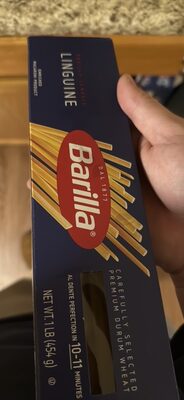
Linguine
Gluten Free Analysis
We recommend searching for certified Gluten Free alternatives.
Pro Tip
Always double-check the label. Manufacturers change ingredients frequently without notice!