
Is Marshmallows Kosher?
The short answer is: MAYBE. While standard marshmallows are made from sugar and corn syrup, the specific ingredient **gelatin** creates a significant barrier for those keeping Kosher. This single ingredient, often derived from animal byproducts, determines whether a marshmallow is permissible to eat. To be safe, you must look for specific certifications or plant-based alternatives.
The Ingredient Breakdown
When investigating whether a marshmallow is Kosher, we need to look past the sweet, fluffy exterior and examine the chemistry. A standard marshmallow recipe relies on a few key ingredients to achieve its texture, but one of them is a major red flag for Kosher observers.
The primary culprit is gelatin. Gelatin is a protein obtained by boiling skin, tendons, ligaments, and/or bones with water. It is usually made from the byproducts of the beef or pork industries. For a food to be Kosher, it cannot mix meat and dairy, and pork is strictly forbidden. If the gelatin is derived from pork, the marshmallow is not Kosher. If it is derived from non-Kosher slaughtered beef, it is also not Kosher. Even beef gelatin requires a reliable Kosher certification to ensure the animal was slaughtered correctly.
However, not all gelatin is off the table. Some manufacturers use beef gelatin that is certified Kosher. Alternatively, many modern marshmallows use a plant-based alternative called modified food starch (often from corn) or agar-agar derived from seaweed to gel the mixture. These are inherently Kosher (assuming no other non-Kosher flavors are added). You will often find these in "vegan" or "all-natural" marshmallows.
Other ingredients like corn syrup, sugar, and water are generally considered Kosher. However, the natural flavors and tetrasodium pyrophosphate (a whipping agent) require certification to ensure they haven't been processed using non-Kosher equipment or derived from non-Kosher sources.
Nutritional Value
From a nutritional standpoint, marshmallows are essentially a vehicle for sugar. A standard serving contains high amounts of added sugars and calories, with negligible amounts of vitamins, minerals, fiber, or protein. They are considered a "discretionary calorie" food, meaning they provide energy but no nutritional density.
Because they are fat-free, they are often viewed as a "lighter" treat compared to chocolate or baked goods, but the high glycemic index can cause rapid spikes in blood sugar. They do not fit well into a diet focused on weight management or blood sugar control, regardless of their Kosher status.
Frequently Asked Questions
Does Marshmallows contain dairy or gluten?
Is Marshmallows good for weight loss?
Where can I buy Marshmallows?
Is Marshmallows safe for kids?
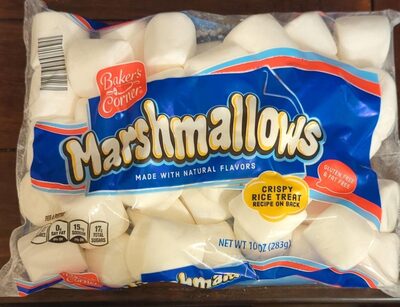
Marshmallows
Kosher Analysis
We recommend searching for certified Kosher alternatives.
Pro Tip
Always double-check the label. Manufacturers change ingredients frequently without notice!