
Is Matcha + Collagen Gluten Free?
The short answer is: **Maybe**. While the core ingredients like matcha and collagen peptides are naturally gluten-free, this specific formula includes **modified food starch**, which is a red flag for those with Celiac disease or severe gluten intolerance. While the starch is likely derived from corn, the lack of source specification requires caution.
The Ingredient Breakdown
When evaluating a supplement like Matcha + Collagen for gluten content, we have to look beyond the headline ingredients. The formula is relatively simple, but one specific additive is the deciding factor for gluten-free status.
First, let's look at the safe ingredients. Collagen Peptides are derived from animal connective tissue and are inherently gluten-free. Similarly, Matcha Green Tea Powder is just ground tea leaves; it is safe. The same applies to Natural Flavor, Stevia Leaf Extract, and the flow agent Silicon Dioxide. None of these contain wheat, barley, or rye.
The primary concern lies with Modified Food Starch. In the United States, if starch is derived from wheat, manufacturers must declare it as "Modified Wheat Starch." If the label simply says "Modified Food Starch," it is generally assumed to be derived from corn, potato, or tapioca. However, for someone with Celiac disease, "assumed" is often not enough. There is always a minute risk that the starch was processed in a facility that also handles wheat, leading to cross-contamination. Unless the brand explicitly certifies the product as gluten-free, the inclusion of this ingredient makes the safety status a 'maybe' rather than a definitive 'yes'.
Nutritional Value
From a nutritional standpoint, this product is designed to be low-impact. It is typically very low in calories, fat, and carbohydrates, making it a popular addition to morning coffee or smoothies for those tracking their macros. The inclusion of Stevia Leaf Extract keeps the sugar content near zero while providing sweetness, which is a plus for those on ketogenic or low-sugar diets.
Regarding the diet limits, this product fits well into most weight-management plans. It provides a protein boost from the collagen without adding significant caloric load. However, the lack of fiber and micronutrients means it shouldn't be viewed as a meal replacement, but rather a functional supplement to support skin and joint health alongside a balanced diet.
Frequently Asked Questions
Does Matcha + Collagen contain dairy or gluten?
Is Matcha + Collagen good for weight loss?
Where can I buy Matcha + Collagen?
Is Matcha + Collagen safe for kids?
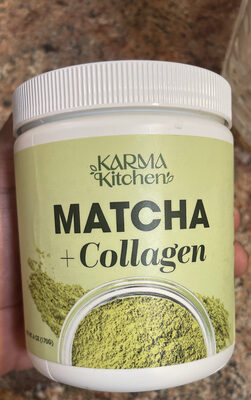
Matcha + Collagen
Gluten Free Analysis
We recommend searching for certified Gluten Free alternatives.
Pro Tip
Always double-check the label. Manufacturers change ingredients frequently without notice!