
Is Mayo Vegan? An Investigative Look at the Ingredients
The short answer is no: traditional mayonnaise is not vegan. While it might seem like a simple creamy condiment, the classic recipe relies entirely on eggs to create its structure. In this article, we will dissect a standard mayonnaise ingredient list to understand exactly why it fails the vegan test and explore the science behind this beloved sauce.
The Ingredient Breakdown
To understand why standard mayonnaise isn't vegan, we need to look at the emulsion that defines it. A classic mayo is a stable mixture of oil and water, and the magic ingredient that binds them is an emulsifier. In traditional recipes, that emulsifier is whole eggs and egg yolks. The lecithin found in the yolks is a powerful fat-emulsifier that allows the oil and water to coexist without separating, creating that thick, rich texture we all recognize. Without the egg, you simply have vinaigrette.
Looking at the provided ingredient list for this specific product, the verdict is clear. The presence of whole eggs and egg yolks is the primary and definitive flag. These are direct animal byproducts, making the product unsuitable for anyone following a vegan diet. The other ingredients, such as soybean oil, vinegar, water, and lemon juice concentrate, are all plant-derived or synthetic. However, the inclusion of natural flavor can sometimes be a point of ambiguity in food science, as it can be derived from either plant or animal sources. While it's often plant-based in this context, the presence of egg makes this distinction irrelevant for vegans.
Finally, we see additives like calcium disodium EDTA and oleoresin paprika. Calcium disodium EDTA is a synthetic antioxidant used to prevent the oils from going rancid and preserving the color, while oleoresin paprika is a natural extract used for color and a hint of flavor. Neither of these are animal-derived, but they don't change the fundamental non-vegan nature of the product due to the eggs.
Nutritional Value
From a nutritional standpoint, mayonnaise is a calorie-dense food primarily composed of fat. The main ingredient, soybean oil, contributes a significant amount of fat per serving. While some of this fat is unsaturated (which can be part of a heart-healthy diet in moderation), the overall calorie count can add up quickly. A single tablespoon can contain over 90 calories, almost all from fat. For those monitoring their caloric intake, mayonnaise should be used sparingly.
The small amounts of sugar and salt are there to balance the acidity of the vinegar and lemon juice, enhancing the overall flavor profile. While the sugar content is minimal, it's still a processed carbohydrate. For individuals on low-carb or ketogenic diets, the trace sugar is generally not an issue. However, for those strictly managing sugar intake for other health reasons, it's worth noting. The product provides very little in the way of vitamins, minerals, or fiber, so its nutritional value is primarily energy (calories) from fat.
Frequently Asked Questions
Does Mayo contain dairy or gluten?
Is Mayo good for weight loss?
Where can I buy Mayo?
Is Mayo safe for kids?

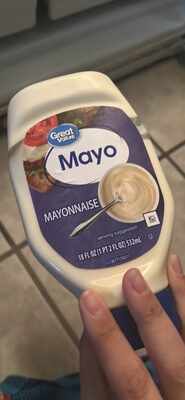
Mayo
Vegan Analysis
We recommend searching for certified Vegan alternatives.
Pro Tip
Always double-check the label. Manufacturers change ingredients frequently without notice!