
Is Mayonnaise Halal?
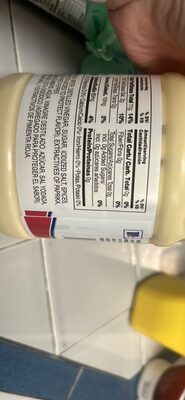
The short answer is: MAYBE. Standard mayonnaise is a mixture of oil, eggs, and acid, which are generally permissible. However, the specific brand you are holding contains 'natural flavor,' an ingredient that can sometimes contain alcohol or animal derivatives. Without knowing the source of that flavor, it cannot be automatically certified as halal.
The Ingredient Breakdown
As a food scientist, I look at the chemistry of mayonnaise as an emulsion—a stable mixture of two liquids that normally don't mix, oil and water. The egg yolks act as the emulsifier, holding the soybean oil and water together. From a halal perspective, the base ingredients are excellent. Soybean oil is plant-derived, and eggs are generally halal (provided the chicken is slaughtered correctly, though many scholars are lenient with eggs).
The acidity comes from distilled vinegar and lime juice concentrate. Both are plant-derived and fully halal. The preservatives, such as disodium EDTA and iodized salt, are synthetic or mineral-based and pose no religious dietary concerns. The color comes from extractives of paprika and red pepper, which are simply concentrated plant pigments.
The primary flag in this ingredient list is natural flavor. This is a regulatory catch-all term. While it often refers to essential oils or plant extracts, it can also be derived from fermentation processes that use alcohol as a solvent. In savory foods like mayonnaise, natural flavor can occasionally be synthesized using animal byproducts, though this is less common. Because the manufacturer does not specify the source, this single ingredient prevents a definitive 'Halal' certification.
Nutritional Value
Mayonnaise is energy-dense, meaning it packs a lot of calories into a small volume. The primary macronutrient is fat, specifically from soybean oil. This provides unsaturated fats, which are generally considered heart-healthy in moderation. However, a standard serving size of one tablespoon contains roughly 90 to 100 calories, almost entirely from fat.
The sugar content is usually low, often less than 1 gram per serving, which makes it acceptable for low-carb or ketogenic diets. The sodium levels are moderate due to the salt and disodium EDTA. While it fits within standard dietary limits, it is calorie-dense, so portion control is key for weight management.
Frequently Asked Questions
Does Mayonnaise contain dairy or gluten?
Is Mayonnaise good for weight loss?
Where can I buy Mayonnaise?
Is Mayonnaise safe for kids?


Mayonnaise
Halal Analysis
We recommend searching for certified Halal alternatives.
Pro Tip
Always double-check the label. Manufacturers change ingredients frequently without notice!