
Is Milo Gluten Free?
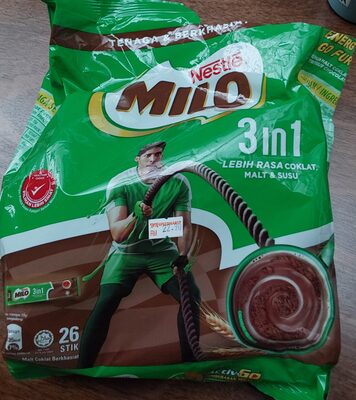
If you are wondering whether you can enjoy a glass of Milo on a gluten-free diet, the answer is unfortunately no. Milo contains malt barley extract, a source of gluten, making it unsuitable for those with celiac disease or gluten intolerance. While it is a beloved chocolate malt drink globally, strict avoidance is necessary for anyone monitoring their gluten intake.
The Ingredient Breakdown
As a food scientist, I always look at the source of ingredients rather than just the marketing on the front of the package. When we analyze the ingredient list for standard Milo, there is one major red flag for anyone on a gluten-free diet: Extract of Malt Barley.
Barley is one of the three main gluten-containing grains (along with wheat and rye). In Milo, the barley is malted and extracted to provide that signature, sweet, malty flavor profile that the brand is famous for. However, this processing does not remove the gluten proteins. For individuals with celiac disease, even trace amounts of barley can trigger an immune response.
Additionally, the ingredient Starch is listed alongside the barley extract. While starch can be derived from corn or potatoes (which are gluten-free), in a product like Milo, there is a risk that the starch is derived from wheat or is subject to cross-contamination during manufacturing. Without a specific "gluten-free" certification on the label, the source of this starch cannot be guaranteed safe for celiacs.
Finally, while Glucose Syrup is generally considered safe, in some manufacturing environments, it can be derived from wheat. However, the processing usually removes the gluten protein. The primary reason to avoid this product remains the explicit inclusion of malt barley.
Nutritional Value
From a nutritional standpoint, Milo is a calorie-dense energy drink. A standard serving (3 tablespoons or roughly 20g) mixed with water contains approximately 80 calories, with a significant portion coming from sugar and palm oil. It is designed as an energy supplement, particularly for active children and athletes.
The product does contain beneficial minerals like calcium and iron, as well as a range of B-vitamins. However, the sugar content is high. If you are managing your weight or blood sugar levels, Milo should be treated as an occasional treat rather than a daily staple. It fits into a balanced diet only if your total daily caloric and sugar intake allows for it.
Frequently Asked Questions
Does Milo contain dairy or gluten?
Is Milo good for weight loss?
Where can I buy Milo?
Is Milo safe for kids?

Milo
Gluten Free Analysis
We recommend searching for certified Gluten Free alternatives.
Pro Tip
Always double-check the label. Manufacturers change ingredients frequently without notice!