
Is Organic Brown Coconut Sugar Kosher?
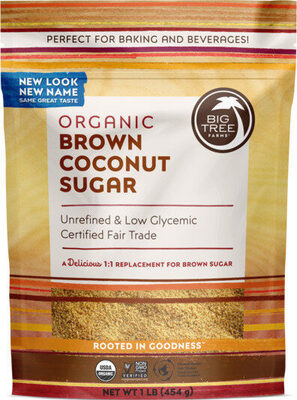
Yes, Organic Brown Coconut Sugar is generally considered kosher. Derived from the sap of the coconut palm flower rather than grains or animal products, it naturally avoids the common pitfalls of non-kosher ingredients. However, for strict adherence, the presence of a reliable kosher certification symbol on the packaging is the ultimate guarantee of compliance.
The Ingredient Breakdown
As a food scientist, I look at the source material first. The primary ingredient is certified organic fair trade granulated coconut blossom nectar. This is essentially palm sugar. The process involves harvesting the sap from the flower buds of the coconut palm and heating it to evaporate the water, leaving behind the sugar crystals. Because the source is a plant and the processing does not involve any animal-based filtration agents (like bone char used in some white sugars) or grain-based additives, it is inherently kosher by ingredients.
The 'brown' color and slightly caramelized flavor come from the heating process itself, not from added molasses or other ingredients that might require further scrutiny. There are no preservatives, artificial colors, or flavorings listed. From a strictly ingredient-based perspective, there are no red flags.
The only caveat in the kosher world is cross-contamination. If the facility that processes this coconut sugar also processes non-kosher items (like shellfish or non-kosher certified dairy), it could be an issue. This is why looking for a hechsher (a kosher certification symbol) like the OU, OK, or Kof-K is recommended. However, based on the pure nature of the ingredient list, the risk is low.
Nutritional Value
While it is kosher, how does it stack up nutritionally? Organic Brown Coconut Sugar is often touted as a 'healthier' sugar, but let's be objective. It is still primarily sucrose, with a composition roughly 70-80% sucrose, 10-15% fructose, and 5-10% glucose. This gives it a glycemic index (GI) of around 54, which is lower than the GI of 60-65 for regular table sugar. This means it causes a slightly slower rise in blood sugar, but it is not a 'free' food.
It does contain trace amounts of minerals like potassium, zinc, and iron, largely because it is less refined than white sugar and retains some of the sap's nutrients. However, the quantities are negligible; you would have to eat an unhealthy amount of sugar to get any meaningful mineral benefit. In terms of calories, it is identical to white sugar—about 16-18 calories per teaspoon. It fits into a kosher diet easily, but from a health standpoint, it should be treated as an added sugar, not a superfood.
Frequently Asked Questions
Does Organic Brown Coconut Sugar contain dairy or gluten?
Is Organic Brown Coconut Sugar good for weight loss?
Where can I buy Organic Brown Coconut Sugar?
Is Organic Brown Coconut Sugar safe for kids?

Pro Tip
Always double-check the label. Manufacturers change ingredients frequently without notice!