
Is Organic moroheiya vegetable noodles Gluten Free?
No, Organic moroheiya vegetable noodles are not gluten-free. Despite the healthy-sounding name and the inclusion of superfoods like moroheiya, the base ingredient is standard wheat flour. If you are avoiding gluten for medical or dietary reasons, this specific product should be avoided.
The Ingredient Breakdown
When evaluating whether a product fits a gluten-free lifestyle, the ingredient list tells the whole story. For Organic moroheiya vegetable noodles, the verdict is clear due to the very first ingredient listed.
The primary component is Wheat Flour. In the world of food science, wheat is the heavy hitter for gluten content. Gluten is a protein complex found naturally in wheat, barley, and rye, and it gives noodles their chewy texture. Because wheat flour is the foundation of this product, it contains significant levels of gluten.
Additionally, the ingredient Starch is listed. While starch can come from many sources (like corn or potato), in a noodle product that already contains wheat flour, this is typically referring to wheat starch or a modified starch derived from gluten-containing grains. Without a specific 'gluten-free' certification, you must assume any starch used is not safe for celiacs.
Finally, while Organic moroheiya (Mallow leaves) is a fantastic nutrient-dense addition, it does not negate the presence of gluten. It simply adds fiber and vitamins to a gluten-heavy base.
Nutritional Value
From a nutritional standpoint, these noodles offer a mix of standard carbohydrates and some added vegetable benefits. The Wheat Flour base provides a significant amount of carbohydrates, which serves as the main energy source for the meal.
The inclusion of Organic moroheiya is the highlight here. Moroheiya is rich in vitamins A and C, as well as calcium and magnesium. It is known for its mucilaginous properties, which can help soothe the digestive tract (though the gluten content here might counteract that benefit for sensitive individuals).
Regarding macronutrients, these noodles likely fall into the standard pasta category: moderate calories, low fat (unless prepared with oil), and moderate protein. They are not a 'low carb' noodle alternative like shirataki, but they do offer a slightly higher micronutrient profile than standard white pasta due to the vegetable powder.
Frequently Asked Questions
Does Organic moroheiya vegetable noodles contain dairy or gluten?
Is Organic moroheiya vegetable noodles good for weight loss?
Where can I buy Organic moroheiya vegetable noodles?
Is Organic moroheiya vegetable noodles safe for kids?
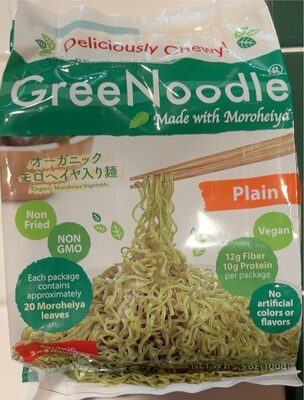
Organic moroheiya vegetable noodles
Gluten Free Analysis
We recommend searching for certified Gluten Free alternatives.
Pro Tip
Always double-check the label. Manufacturers change ingredients frequently without notice!