
Is Organic Plain Nonfat Yogurt Vegan?
No, Organic Plain Nonfat Yogurt is not vegan. While it boasts an organic label and healthy probiotics, the base of this product is cultured dairy milk. Additionally, the fortification process includes Vitamin D3, which is typically derived from animal sources.
The Ingredient Breakdown
To understand why this yogurt doesn't fit a vegan lifestyle, we need to look closely at the specific ingredients list. While the name suggests simplicity, there are two primary flags for anyone adhering to strict plant-based dietary restrictions.
The first and most obvious hurdle is the base ingredient: Cultured pasteurized organic nonfat milk. Regardless of whether the milk is organic or nonfat, it is an animal byproduct derived from cows. The process involves fermenting this dairy milk with specific bacteria strains to create the yogurt texture and tangy flavor. For vegans, avoiding all forms of dairy—including nonfat milk—is a fundamental requirement.
The second, more nuanced ingredient is Vitamin D3. This is often added to dairy products to boost their nutritional profile, specifically aiding in calcium absorption. While Vitamin D3 can be synthesized from lichen, the most common commercial source is lanolin, a waxy substance extracted from sheep's wool. Because lanolin is an animal derivative, Vitamin D3 is generally not considered vegan unless explicitly labeled as lichen-derived (Vegan D3).
Finally, the inclusion of Pectin is worth noting. Pectin is a plant-based thickening agent derived from fruit, usually citrus peels or apples. This specific ingredient is perfectly vegan and is often used to improve the texture of the yogurt without relying on gelatin or other animal-based stabilizers. However, the presence of pectin cannot outweigh the dairy base of the product.
Nutritional Value
From a nutritional standpoint, Organic Plain Nonfat Yogurt is a powerhouse, particularly for those who are not vegan. Because it is nonfat, it significantly reduces the caloric density compared to full-fat Greek yogurts. A standard serving typically contains between 100 to 120 calories, with the majority coming from natural milk sugars (lactose) and protein.
The protein content is respectable, usually offering around 8 to 10 grams per serving, which helps with satiety. The real highlight, however, is the probiotic profile. With six live active cultures—including L. acidophilus and Bifidus—this yogurt supports gut health and digestion. It fits well into low-fat and low-calorie diet limits, making it a healthy choice for vegetarians and omnivores alike.
Frequently Asked Questions
Does Organic Plain Nonfat Yogurt contain dairy or gluten?
Is Organic Plain Nonfat Yogurt good for weight loss?
Where can I buy Organic Plain Nonfat Yogurt?
Is Organic Plain Nonfat Yogurt safe for kids?

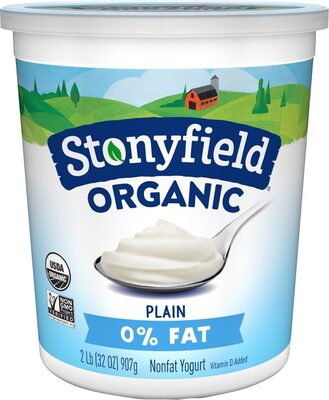
Organic Plain Nonfat Yogurt
Vegan Analysis
We recommend searching for certified Vegan alternatives.
Pro Tip
Always double-check the label. Manufacturers change ingredients frequently without notice!