
Is Organic vegetable base Gluten Free?
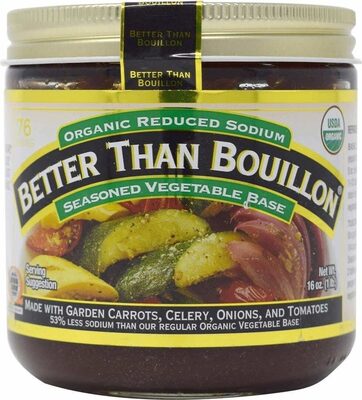
Yes, Organic vegetable base is gluten-free. After a thorough analysis of the ingredient label, including sources of starch and yeast, no gluten-containing grains or derivatives were found. This verdict makes it a safe and flavorful option for those managing celiac disease or gluten sensitivity.
The Ingredient Breakdown
As a food scientist, I look beyond the marketing claims and dive straight into the formulation. The safety of a product for a gluten-free diet hinges entirely on the source of its starches and flavor enhancers. Here is the breakdown of the key components in this Organic vegetable base:
Vegetables (Carrot, Celery, Onion, Tomato): These are the foundation of the base. They are whole, organic vegetables that provide the savory, umami profile. Naturally, they are free of gluten.
Maltodextrin: This is often a point of confusion for gluten-free consumers. Maltodextrin is a highly processed starch used to improve texture and mixability. While it can be derived from barley (which contains gluten), in the United States, maltodextrin is almost exclusively derived from corn or potato. Furthermore, even if derived from wheat, the processing removes almost all gluten protein, rendering it safe for most. In this certified organic product, the source is strictly regulated and safe.
Yeast Extract: This is a natural flavor enhancer (often found in savory foods) that provides a rich, brothy taste. Yeast extract is derived from yeast cells (fungus), not grains. It is naturally gluten-free and is a common ingredient in gluten-free processed foods to boost flavor without adding allergens.
Food Starch: Similar to maltodextrin, this ingredient is a thickener. The label does not specify the source, but given the "Certified Organic" status and the absence of wheat in the ingredient list, this is derived from a gluten-free source like corn, potato, or tapioca.
Spices & Cane Sugar: These are standard, safe ingredients. Organic cane sugar is naturally gluten-free and is not processed with gluten-containing additives.
Verdict: The formulation is clean. There are no hidden wheat fillers, barley malt, or rye derivatives. The processing standards for organic certification further reduce the risk of cross-contamination.
Nutritional Value
When evaluating the health impact of a concentrated vegetable base, we must look at the density of nutrients versus the caloric load. This product is designed as a flavoring agent, meaning you consume it in very small quantities (typically one teaspoon).
Sodium Content: The primary nutritional consideration is sodium. Like most bouillons and bases, salt is a major ingredient. While it adds necessary flavor, those on a strict low-sodium diet (such as the DASH diet) should monitor their intake. However, because it is so potent, a small amount goes a long way, keeping the total sodium per serving relatively low compared to a full cup of broth.
Sugar and Carbohydrates: The base contains small amounts of cane sugar and concentrated vegetable juice. These contribute to the carbohydrate count, but the glycemic load is negligible given the serving size. The maltodextrin used here is a complex carbohydrate that does not spike blood sugar as rapidly as simple sugars.
Fat and Calories: This is a virtually fat-free product with minimal calories (usually under 10 calories per teaspoon). It fits easily into Keto, Paleo, and low-carb diets as a zero-fat flavor booster.
Overall, it is a nutrient-dense flavoring that fits well within most healthy eating plans, provided you manage your overall daily sodium intake.
Frequently Asked Questions
Does Organic vegetable base contain dairy or gluten?
Is Organic vegetable base good for weight loss?
Where can I buy Organic vegetable base?
Is Organic vegetable base safe for kids?

Pro Tip
Always double-check the label. Manufacturers change ingredients frequently without notice!