
Is Licorice Gluten Free?
No, standard licorice is not gluten-free. If you are holding a classic red licorice twist, the ingredient list almost certainly includes wheat flour, which makes it unsafe for anyone with celiac disease or gluten sensitivity. While it is a nostalgic treat, it does not fit into a gluten-free lifestyle without specific formulation changes.
The Ingredient Breakdown
As a food scientist, I look past the marketing on the package and go straight to the formulation. When we analyze the specific ingredients provided for this product—corn syrup, wheat flour, citric acid, artificial flavor, and Red 40—the gluten status becomes immediately clear. The verdict is a hard no, and here is the technical breakdown of why.
The primary structural ingredient here is wheat flour. In the world of confectionery, wheat flour acts as a binder and a thickener. It provides the dough-like texture that allows the candy to be extruded into those iconic twists. However, wheat is one of the primary sources of gluten (specifically gliadin and glutenin proteins). For those with gluten intolerance, even trace amounts of wheat flour can trigger an immune response. It is not merely a risk of cross-contact; in this specific formulation, wheat flour is an intended, functional ingredient.
Next, we have corn syrup. This is the sweetener and the bulk of the candy's volume. Corn syrup is derived from corn, which is naturally gluten-free. While it is highly processed and high in sugar, it is not a gluten concern. Similarly, citric acid is used to provide that tart, sour kick that balances the overwhelming sweetness. It is an organic acid found in citrus fruits (or produced via fermentation) and is universally gluten-free.
Finally, we look at the colorants and flavorings. Red 40 (Allura Red AC) is a synthetic dye that gives the candy its vibrant red hue. It is a petroleum-based compound that contains no gluten proteins. The artificial flavor is a proprietary blend of chemicals designed to mimic fruit flavors. While 'natural flavors' can sometimes be a gray area regarding gluten, 'artificial flavors' are synthesized in a lab and are generally considered safe for gluten-free diets, provided there is no wheat-based carrier. However, the presence of wheat flour overrides these safer ingredients.
Nutritional Value
From a nutritional standpoint, this specific licorice product is a source of empty calories. The primary ingredient by weight is likely corn syrup, a high-glycemic sweetener that spikes blood sugar rapidly without providing fiber, vitamins, or minerals. It is essentially pure sugar energy.
The wheat flour adds a small amount of protein, but not enough to be considered a nutritional benefit. Regarding dietary fit, this candy is high in sugar and carbohydrates. It does not fit well into low-carb, keto, or diabetic diets. While it is fat-free, the high sugar content is the main nutritional concern here. It is a treat meant for occasional consumption, not a health food.
Frequently Asked Questions
Does Licorice contain dairy or gluten?
Is Licorice good for weight loss?
Where can I buy Licorice?
Is Licorice safe for kids?
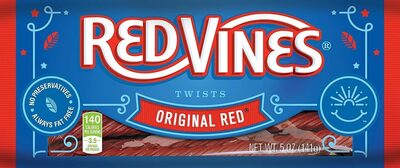
Licorice
Gluten Free Analysis
We recommend searching for certified Gluten Free alternatives.
Pro Tip
Always double-check the label. Manufacturers change ingredients frequently without notice!