
Is Parmesan Gluten Free?
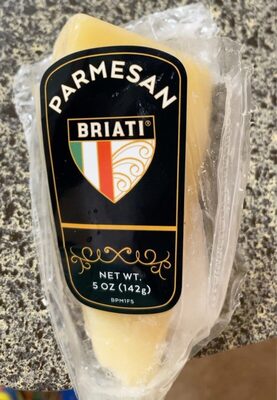
Yes, Parmesan cheese is gluten-free. Authentic Parmesan is made from a simple list of ingredients that do not contain wheat, barley, rye, or gluten. This makes it a safe and flavorful option for those managing celiac disease or gluten intolerance.
The Ingredient Breakdown
To understand why Parmesan is safe for a gluten-free diet, we need to look at the traditional production process. Authentic Parmigiano-Reggiano is strictly regulated, but even generic "Parmesan" found in most grocery stores follows a similar, simple formula.
The core ingredients are PASTEURIZED PART-SKIMMED MILK, CHEESE CULTURES, SALT, and ENZYMES. Let's break these down:
Milk and Cultures: Dairy is naturally gluten-free. The cultures used to ferment the milk are bacteria, which are also free of gluten. While those with dairy allergies need to avoid this, it poses no gluten risk.
Enzymes: This is where many people get confused. The primary enzyme used in Parmesan is rennet, which helps coagulate the milk. Rennet is derived from animal stomach lining or created via microbial fermentation. Neither source involves gluten.
The Verdict: There is no gluten-containing ingredient in the standard list. However, the only potential risk in industrial food production is cross-contamination. In the rare case that a cheese is dusted with flour to prevent sticking, or processed on shared equipment with breaded products, it could be an issue. But for standard block Parmesan, the risk is virtually zero.
Nutritional Value
While Parmesan is gluten-free, it is also a nutrient-dense food. It is significantly lower in lactose than younger cheeses due to the aging process, which breaks down milk sugars. This often makes it easier to digest for those with mild lactose intolerance.
Regarding calories and fat, Parmesan is a hard, aged cheese, meaning it is concentrated. A small serving provides a significant amount of protein and calcium. It fits well into low-carb and Keto diets because it contains virtually zero carbohydrates and sugar. However, because it is high in sodium, those monitoring blood pressure should consume it in moderation. It is a healthy addition to a gluten-free diet when used as a flavor enhancer rather than a main course.
Frequently Asked Questions
Does Parmesan contain dairy or gluten?
Is Parmesan good for weight loss?
Where can I buy Parmesan?
Is Parmesan safe for kids?
Pro Tip
Always double-check the label. Manufacturers change ingredients frequently without notice!