
Is Pepsi Vegan? A Food Scientist's Deep Dive into the Ingredients
The short answer is: **Maybe**. While Pepsi contains no obvious animal products like milk or honey, strict vegans may want to avoid it due to two ambiguous ingredients: sugar and natural flavor. This article breaks down exactly why this global soda brand sits in the gray area of veganism.
The Ingredient Breakdown
When evaluating whether a product like Pepsi fits a vegan lifestyle, we have to look beyond the surface. The ingredient list is short, but it hides complexities that require a food scientist's eye. Let's analyze the components that raise questions.
First, let's look at the base ingredients. Carbonated Water is obviously vegan. Phosphoric Acid and Citric Acid are mineral-derived or fermented acids used for tartness and preservation; they are universally considered vegan. Caffeine is a plant-based stimulant. The controversy begins with the sweeteners and flavoring.
The primary sweetener is High Fructose Corn Syrup (HFCS). HFCS is derived from corn starch and is processed using enzymes. It is chemically vegan. However, the ingredient list also includes Sugar. This is the first red flag for strict vegans. In the United States, a significant portion of refined white sugar is processed using bone char—ground animal bones—to bleach and purify the sugar crystals. While no bone char remains in the final product, the processing method renders the sugar technically not vegan to many purists. Without a specific "organic" or "vegan" certification on the packaging, it is difficult to guarantee the sugar wasn't processed this way.
The second, more complex flag is Natural Flavor. This is a catch-all term that protects proprietary recipes. While "natural flavor" in a dark soda usually implies plant-derived essential oils (like citrus or vanilla), the definition legally allows for animal-derived sources. For example, castoreum, a secretion from beaver glands, is an FDA-approved natural flavoring, though it is rarely used today due to cost. Because the source of Pepsi's natural flavor is not disclosed, we cannot verify 100% that it is free of animal derivatives.
Nutritional Value
From a nutritional standpoint, Pepsi is a source of 'empty calories.' A standard 12 oz can contains approximately 150 calories, all of which come from carbohydrates in the form of added sugars. There is zero protein, fat, or fiber.
The High Fructose Corn Syrup and Sugar content totals about 41 grams per can. This exceeds the American Heart Association's recommended daily limit of 36 grams for men and 25 grams for women. While this doesn't make the drink non-vegan, it is a crucial factor for anyone considering the health implications of the diet. The Caramel Color provides the distinct brown hue, and while it is vegan, it is a heavily processed ingredient that some health-conscious consumers prefer to avoid.
Frequently Asked Questions
Does Pepsi contain dairy or gluten?
Is Pepsi good for weight loss?
Where can I buy Pepsi?
Is Pepsi safe for kids?

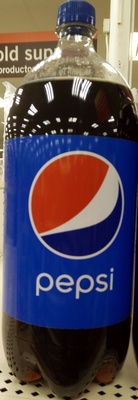
Pepsi
Vegan Analysis
We recommend searching for certified Vegan alternatives.
Pro Tip
Always double-check the label. Manufacturers change ingredients frequently without notice!