
Is Polish Kielbasa Kosher?
No, standard Polish Kielbasa is generally not kosher. The verdict is definitive: the presence of pork and the lack of specific kosher certification make this traditional sausage incompatible with strict dietary laws. While the spice blend might seem harmless, the meat source is the ultimate dealbreaker.
The Ingredient Breakdown
As a food scientist, I look beyond the marketing claims and straight at the formulation. When analyzing this specific Polish Kielbasa, the kosher status is compromised immediately by the first ingredient listed: Pork. In Jewish dietary laws (Kashrut), the consumption of pork is strictly forbidden. Furthermore, for any meat to be considered kosher, the animal must be ruminant with split hooves (like cows or sheep) and slaughtered according to specific rituals. Pigs do not meet these criteria.
Even if the meat were permissible, the processing presents a second, insurmountable hurdle. The ingredient list includes sodium phosphate and natural flavors. In the food industry, 'natural flavors' can be a hiding spot for non-kosher derivatives, such as wine or animal-based flavorings. More importantly, kosher law requires that meat and dairy never be mixed. Without a 'pareve' (neutral) certification, there is no guarantee that this product wasn't processed on equipment shared with dairy products.
Finally, the collagen casing is a red flag. While collagen is often derived from beef, it can also come from pork skins. Without a reliable certification (like an 'OU' or 'Kof-K' symbol), a consumer cannot know the source. Therefore, every component—from the meat to the casing—renders the standard version non-kosher.
Nutritional Value
From a nutritional standpoint, Polish Kielbasa is a calorie-dense, high-fat food. A typical serving contains significant amounts of saturated fat and sodium, which aligns with the profile of a cured sausage. The inclusion of corn syrup and dextrose adds a touch of sugar to balance the salt and spices, but these contribute to the overall calorie count without offering substantial nutritional benefits.
While it provides a good amount of protein, the high level of preservatives like sodium nitrite and sodium erythorbate is standard for cured meats to maintain color and shelf life. For those monitoring their sodium intake or looking to reduce processed meat consumption, this product should be eaten sparingly. It fits into a diet as an occasional indulgence rather than a daily staple.
Frequently Asked Questions
Does Polish Kielbasa contain dairy or gluten?
Is Polish Kielbasa good for weight loss?
Where can I buy Polish Kielbasa?
Is Polish Kielbasa safe for kids?


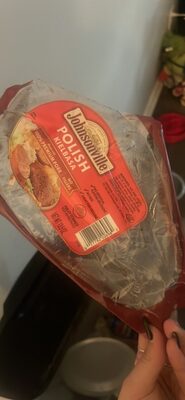
Polish Kielbasa
Kosher Analysis
We recommend searching for certified Kosher alternatives.
Pro Tip
Always double-check the label. Manufacturers change ingredients frequently without notice!