
Is Protein Bar Cookies & Cream Keto?
No, Protein Bar Cookies & Cream is not keto-friendly. While it boasts high protein, the inclusion of Maltitol and Tapioca Starch creates a carbohydrate load that is too high for a standard ketogenic diet. If you are strictly tracking net carbs, this bar will likely disrupt your state of ketosis.
The Ingredient Breakdown
As a food scientist, I look past the marketing claims and dive straight into the formulation. The 'Cookies & Cream' flavor profile relies on specific ingredients to mimic that classic taste, but several of them are red flags for a low-carb diet.
The primary issue lies in the sweetener and the binder. Maltitol is a sugar alcohol commonly used in 'sugar-free' products. While it has fewer calories than sugar, it has a high glycemic index compared to other keto-friendly alcohols like Erythritol. On keto labels, you often subtract the carb count of sugar alcohols to get the 'net carbs,' but Maltitol is an exception; it impacts blood glucose almost as much as sugar itself. Consuming Maltitol can cause an insulin spike, effectively halting fat burning.
Furthermore, the ingredient list includes Tapioca Starch. Tapioca is a pure starch extracted from the cassava root. In food science, starches are used to provide texture and structure to processed bars. However, tapioca is essentially pure glucose. It has a very high glycemic index and offers zero fiber, meaning it counts fully toward your net carb limit. Even a small amount can push a product over the keto threshold.
Finally, the Milk Protein Blend (Calcium Caseinate, Whey) and Dry Whole Milk contribute lactose. While protein is essential, dairy proteins come with trace amounts of milk sugars. When combined with the Maltitol and Tapioca, the total carbohydrate load becomes too significant for a diet that usually restricts intake to 20-30 grams per day.
Nutritional Value
From a macronutrient perspective, this bar is designed as a high-protein supplement, not a keto snack. It typically contains around 20 grams of protein, which is excellent for muscle recovery. However, the fat-to-carb ratio is wrong for ketosis.
The bar relies on Glycerin and Polydextrose for moisture and bulk. Polydextrose is a synthetic fiber of sorts, but in this formulation, it is used alongside high-carb fillers. If you were to calculate the net carbs without subtracting Maltitol, the number would likely be too high. If you do subtract Maltitol, you are still left with the carbs from the Tapioca Starch and the inherent lactose in the dairy proteins.
For a keto diet, the goal is to keep net carbs low (usually under 5-10g per serving) and fat moderate to high. This bar flips that ratio, prioritizing protein and adding hidden sugars/starches for texture. It fits a 'high protein' or 'balanced' diet, but it does not fit the metabolic requirements of nutritional ketosis.
Frequently Asked Questions
Does Protein Bar Cookies & Cream contain dairy or gluten?
Is Protein Bar Cookies & Cream good for weight loss?
Where can I buy Protein Bar Cookies & Cream?
Is Protein Bar Cookies & Cream safe for kids?
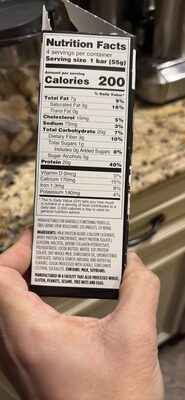
Protein Bar Cookies & Cream
Keto Analysis
We recommend searching for certified Keto alternatives.
Pro Tip
Always double-check the label. Manufacturers change ingredients frequently without notice!