
Is Ramen Keto?
No, standard Ramen is not keto-friendly. While it is a convenient and tasty meal, the core ingredients are derived almost entirely from wheat flour and starches that will quickly kick you out of ketosis. If you are following a strict ketogenic diet, the seasoning packet and the noodles themselves pose significant hurdles to maintaining your macros.
The Ingredient Breakdown
To understand why Ramen fails the keto test, we have to look at the specific ingredients used to create that signature texture and savory flavor. As a food scientist, I look at the chemical composition, and here the chemistry is clearly against the keto diet.
The primary offender is the noodle block itself. The first ingredient listed is enriched wheat flour. This is essentially pure starch. When digested, your body breaks wheat flour down into glucose rapidly, spiking your blood sugar and insulin levels. This is the exact opposite of what you want on a keto diet, which relies on keeping blood sugar stable to remain in a state of ketosis. Alongside the flour, you will often find maltodextrin in the ingredients list. Maltodextrin is a highly processed starch additive derived from corn, rice, potato, or wheat. It has a glycemic index even higher than table sugar, making it a hidden carbohydrate bomb that can derail your diet even in small amounts.
Next, we must analyze the seasoning packet. It is a complex mix of flavor enhancers and, unfortunately, sugars. You will see monosodium glutamate (MSG) and yeast extract, which provide the savory 'umami' flavor, but you will also see sugar listed. While the amount of sugar per serving might seem small, it adds up, especially if you drink the broth. Furthermore, the presence of hydrolyzed corn and wheat protein indicates that corn and wheat derivatives are used to boost the savory profile, adding to the total carbohydrate count. Finally, the vegetables included, such as carrot, corn, and green peas, are starchy vegetables that contribute to the net carb tally. Corn and peas are generally restricted on keto because of their high starch content.
Nutritional Value
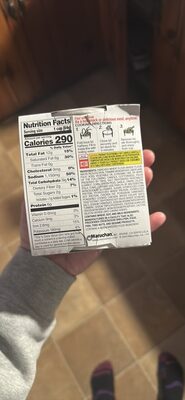
When we analyze the nutritional profile of a standard serving of Ramen, the numbers tell a clear story. A typical block of noodles with the full seasoning packet contains roughly 35 to 45 grams of total carbohydrates. For someone aiming to stay under 20 to 30 grams of net carbs per day, a single serving of Ramen consumes your entire daily allowance.
While Ramen does contain fat from the vegetable oil (often palm or canola) and sometimes chicken fat, the ratio is wrong for keto. Keto is a high-fat, moderate-protein, and very low-carb diet. Ramen is a high-carb, moderate-fat, low-protein food. The calories in Ramen are often referred to as 'empty calories' because they come largely from refined carbohydrates and sodium rather than nutrient-dense sources. The sodium content is extremely high due to the sodium carbonate, phosphates, and salt, which can be upwards of 800mg to 1,000mg per serving. While electrolytes are important on keto, relying on Ramen for them is not ideal due to the accompanying carbohydrate load. Therefore, nutritionally, Ramen does not fit the keto limits.
Frequently Asked Questions
Does Ramen contain dairy or gluten?
Is Ramen good for weight loss?
Where can I buy Ramen?
Is Ramen safe for kids?

Ramen
Keto Analysis
We recommend searching for certified Keto alternatives.
Pro Tip
Always double-check the label. Manufacturers change ingredients frequently without notice!