
Is Ramen Noodles Kosher?
Yes, Ramen Noodles are kosher. Based on the ingredient list provided for the organic variety, there are no animal-derived products, hidden dairy, or non-kosher additives present. This makes them a safe option for those keeping a kosher diet, provided the specific brand carries a reliable certification.
The Ingredient Breakdown
When determining if a processed food like instant noodles is kosher, we have to look past the marketing and into the chemistry of the soup packet and the noodle block. The good news for ramen enthusiasts is that the ingredient profile provided is surprisingly clean from a dietary law perspective.
Let's start with the foundation: the organic wheat flour. Wheat is inherently kosher, but in industrial processing, it must be checked for small insects (specifically chamomile gnats) which are common in grain fields. Since this is listed as processed organic flour, it has already undergone rigorous sifting and cleaning. The use of sea salt is also a positive indicator; while table salt can sometimes contain anti-caking agents that might be questionable, sea salt is generally pure.
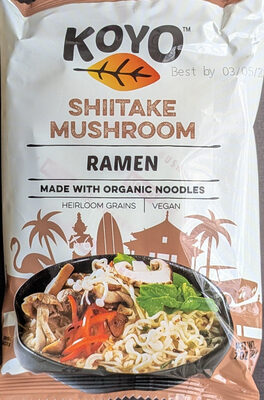
The real test is usually the flavoring packet. Many instant soups rely on powdered milk or animal fats to create creaminess. However, this specific ramen uses a shoyu and miso base. Shoyu powder (soy sauce) and miso powder are fermented soybean products, which are strictly plant-based. The inclusion of kombu powder (seaweed) and shiitake mushroom powder adds umami without the need for meat extracts.
Finally, the supporting cast of ingredients—onion powder, garlic powder, ginger powder, green onion, and black pepper—are all spices and vegetables. There are no artificial colors like Red 40 (which can sometimes be derived from insect shells) or gelatin listed. Therefore, from a strictly ingredient-based analysis, this ramen is kosher.
Nutritional Value
While the kosher status is a green light, the nutritional profile requires a more cautious approach. Instant ramen is designed for shelf-stability and flavor, which often means high sodium and moderate carbohydrates. The sugar listed in the soup packet is a minor amount, usually added to balance the saltiness of the soy and miso, but it contributes to the overall calorie count.
The noodles themselves are made of organic wheat flour, meaning they provide a standard source of carbohydrates for energy. However, because this is a dry, dehydrated product, the portion size is dense. If you are monitoring your caloric intake, be aware that the entire packet contains the energy required to fuel a meal, though it is low in fiber and protein compared to whole-food alternatives. It fits within a diet as an occasional comfort food, but it shouldn't be a daily staple if you are looking for high nutritional density.
Frequently Asked Questions
Does Ramen Noodles contain dairy or gluten?
Is Ramen Noodles good for weight loss?
Where can I buy Ramen Noodles?
Is Ramen Noodles safe for kids?


Pro Tip
Always double-check the label. Manufacturers change ingredients frequently without notice!