
Is Ramen soup Gluten Free?
No, Ramen soup is not gluten-free. If you are strictly avoiding gluten, you should steer clear of this product. The primary issue lies in the noodles themselves, which are wheat-based, but the seasoning packets also contain hidden gluten sources.
The Ingredient Breakdown
As a food scientist, I look at the label to determine safety for specific diets. For standard Ramen soup, the verdict is clear: it contains gluten. Let's break down exactly where the gluten hides.
The primary culprit is the noodle block. The ingredient list explicitly states wheat flour as the first and most abundant ingredient. Wheat is one of the primary sources of gluten, making the noodle base unsafe for anyone with Celiac disease or gluten sensitivity. Additionally, the noodles contain soy lecithin. While lecithin is usually derived from soy, it can sometimes be sourced from wheat, though less common. However, the wheat flour makes this distinction irrelevant.
The danger continues in the powder packet. This is where manufacturers often sneak in gluten under the guise of flavor enhancers. The seasoning contains hydrolyzed soy protein and soy sauce seasoning powder. Traditional soy sauce is fermented with wheat, meaning these powders are likely contaminated with gluten. Furthermore, the label lists wheat flour and dextrin directly within the powder ingredients. Dextrin is a starch that can be derived from wheat, and in this context, it is not specified as gluten-free.
Finally, the flake packet usually contains dehydrated vegetables like carrot, cabbage, and bok choy. While these are naturally gluten-free, processing facilities often handle wheat products, leading to potential cross-contamination. However, the explicit inclusion of wheat in the noodles and seasoning makes the product definitively non-gluten-free.
Nutritional Value
While we have established that this product is not safe for a gluten-free diet, it is also worth looking at the nutritional profile. Ramen soup is often criticized for being high in sodium and low in nutritional density. The monosodium glutamate (MSG) and disodium 5'-ribonucleotide are flavor enhancers that contribute to the savory taste but also spike the sodium content significantly.
The noodles are fried in palm oil before drying, which increases the saturated fat content. While convenient, a single packet often contains a significant portion of the daily recommended intake of sodium. If you are watching your blood pressure or caloric intake, this product should be consumed sparingly. It fits into a diet only as an occasional treat rather than a daily staple.
Frequently Asked Questions
Does Ramen soup contain dairy or gluten?
Is Ramen soup good for weight loss?
Where can I buy Ramen soup?
Is Ramen soup safe for kids?
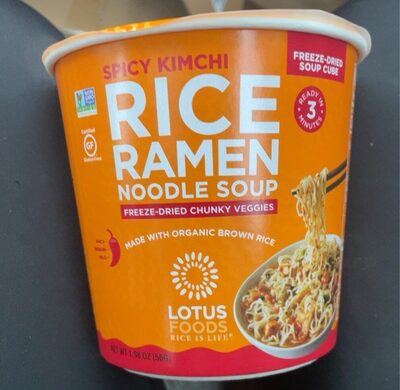
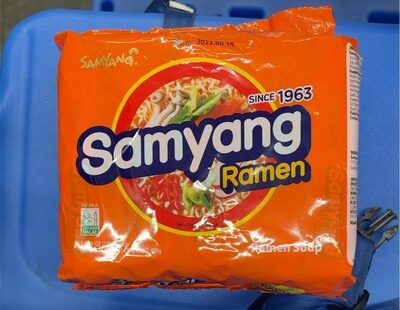
Ramen soup
Gluten Free Analysis
We recommend searching for certified Gluten Free alternatives.
Pro Tip
Always double-check the label. Manufacturers change ingredients frequently without notice!