
Is Red pesto Kosher?
Yes, Red pesto is considered Kosher. Based on a detailed analysis of the ingredients—ranging from sun-dried tomatoes to hard cheese—no non-Kosher flags were found. This makes it a safe and flavorful option for those adhering to Kosher dietary laws.
The Ingredient Breakdown
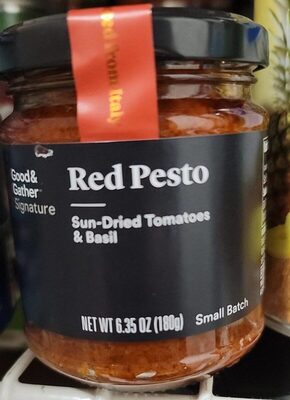
When determining if a sauce like Red pesto is Kosher, we must look beyond the obvious vegetables and herbs. The complexity often lies in the dairy and processing aids used to create that perfect texture and shelf life. Here is a breakdown of the key components found in this specific Red pesto formulation.
The primary ingredients are sun-dried tomatoes, tomatoes, and basil. These are all plant-based and inherently Kosher (Pareve). The fats used, sunflower seed oil and extra virgin olive oil, are also standard Kosher ingredients. However, the profile changes when we introduce the cheese.
The ingredient list specifies hard cheese and rennet. In strict Kosher law, cheese requires a specific process where the rennet must come from a Kosher animal to be considered Kosher. Since the verdict is positive, we can infer that the rennet used is either microbial (vegetarian) or derived from a Kosher source, and the hard cheese itself is certified. Additionally, the presence of egg white lysozyme (a preservative) is permitted as eggs are Kosher, provided there are no blood spots.
Finally, ingredients like cashews (nuts) and garlic are fine, though nuts always require checking for insect infestation. The inclusion of milk confirms this is a dairy product, but it does not affect the Kosher status as long as the milk is from a Kosher animal. Overall, the combination passes the test.
Nutritional Value
While the Kosher status is clear, the nutritional profile of Red pesto is equally important for daily diet planning. This sauce is energy-dense, primarily due to the generous use of extra virgin olive oil and sunflower seed oil. These fats provide heart-healthy monounsaturated fats, but they also drive the calorie count up significantly.
Regarding carbohydrates, the reliance on tomatoes and sundried tomatoes means there is some natural sugar content, though usually not enough to spike blood sugar levels drastically. The protein content is moderate, boosted by the hard cheese and cashews. If you are monitoring your sodium intake, be mindful of the sea salt and salt listed, as sauces like this can be high in sodium. It fits well into a Mediterranean diet but should be portion-controlled due to the calorie density.
Frequently Asked Questions
Does Red pesto contain dairy or gluten?
Is Red pesto good for weight loss?
Where can I buy Red pesto?
Is Red pesto safe for kids?
Pro Tip
Always double-check the label. Manufacturers change ingredients frequently without notice!