
Is Roasted Coconut Juice Vegan? The Ingredient Breakdown
The short answer is: **MAYBE**. While Roasted Coconut Juice is naturally free from animal products like dairy and meat, strict vegans may want to look closer at the sugar and preservative ingredients. This article analyzes the label to determine if this trendy beverage fits your ethical lifestyle.
The Ingredient Breakdown
When determining if a beverage is truly vegan, we have to look beyond the obvious. While the base product is plant-based, the additives used for flavor and shelf-life can sometimes be a gray area. Let's analyze the specific ingredients found in Roasted Coconut Juice.
Roasted Coconut Juice (80%), Water, and Coconut Pulp: These are the core components. Coconut is a fruit, making these ingredients 100% vegan. The "roasted" aspect refers to the processing of the coconut meat to create a richer, nuttier flavor profile, similar to roasted coffee beans. There are no animal byproducts here.
Sugar: This is the primary flag for strict vegans. Not all sugar is created equal. In many parts of the world (particularly the US and parts of Europe), white sugar is processed using bone char—charred animal bones—to filter and bleach the sugar crystals. Unless the manufacturer specifies "organic," "raw," or "unrefined" sugar, there is a chance the sugar used in this drink is not vegan.
Citric Acid (E330): Citric acid is a weak acid found in citrus fruits, but the E330 used in food production is often manufactured through the fermentation of molasses or corn syrup using specific strains of mold. It is a microbial process, not an animal one, making it perfectly vegan.
Potassium Metabisulphite (E224): This preservative is used to prevent spoilage and maintain color. It is a synthetic inorganic compound, created from sulfur and potassium salts. It contains no animal derivatives and is considered vegan-friendly.
Nutritional Value
Roasted Coconut Juice sits somewhere between a coconut water and a juice cocktail. Because it contains added sugar, it is higher in calories than plain coconut water. A typical serving contains roughly 60-80 calories, primarily derived from carbohydrates (sugars).
The fat content is generally low to moderate, depending on the amount of coconut pulp suspended in the liquid. Coconut pulp adds dietary fiber, which aids digestion, but the added sugar can spike blood glucose levels. If you are monitoring your sugar intake for weight management or diabetic reasons, this beverage should be treated as a treat rather than a hydration staple.
Frequently Asked Questions
Does Roasted Coconut Juice contain dairy or gluten?
Is Roasted Coconut Juice good for weight loss?
Where can I buy Roasted Coconut Juice?
Is Roasted Coconut Juice safe for kids?

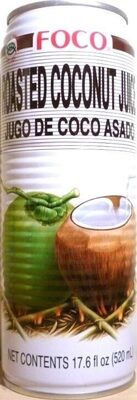
Roasted Coconut Juice
Vegan Analysis
We recommend searching for certified Vegan alternatives.
Pro Tip
Always double-check the label. Manufacturers change ingredients frequently without notice!