
Is Roasted Garlic Risotto Keto?
No, Roasted Garlic Risotto is not keto. While the flavor profile is tempting, the ingredient list is dominated by high-carb fillers like rice and potato starch that will immediately kick you out of ketosis.
The Ingredient Breakdown
As a food scientist, looking at the label for this risotto reveals a classic example of a 'convenience food' designed for flavor and shelf-stability rather than nutritional density. To understand why this fails the keto test, we have to look past the garlic and cheese promises and analyze the carbohydrate sources.
The primary ingredient is parboiled rice. While parboiling helps retain some nutrients, it does not change the fundamental nature of the grain. Rice is a starch-heavy carbohydrate. On a keto diet, where you typically limit net carbs to 20-30 grams per day, a single serving of rice can consume your entire daily allowance, leaving no room for vegetables or protein.
Even more concerning for strict keto followers is the inclusion of potato starch and powdered sunflower oil preparation. Potato starch is a thickener derived from potatoes, which are root vegetables high in glucose. It is often used in processed foods to create a creamy texture without using expensive fats. Furthermore, the powdered sunflower oil preparation contains glucose syrup. Glucose is a simple sugar; adding this to a 'risotto' product is essentially adding sugar to rice, which skyrockets the glycemic index of the meal.
Finally, we must address the cheese blend and whey. While dairy is generally acceptable on keto, the form used here is a 'pasteurized process cheese food powder.' This is highly processed and often contains stabilizers like sodium citrate. More importantly, the label notes the potential presence of wheat. In manufacturing facilities, cross-contamination is common, but the presence of wheat in a rice dish usually indicates a filler or anti-caking agent. This makes the product not only non-keto but potentially problematic for those with gluten sensitivities.
Nutritional Value
From a nutritional standpoint, this Roasted Garlic Risotto is a 'hollow calorie' food. It provides energy primarily through refined carbohydrates and processed fats, with very little fiber to slow down digestion. The combination of parboiled rice and potato starch creates a rapid spike in blood sugar and insulin, the exact hormonal response the ketogenic diet seeks to avoid.
The fat content comes largely from the powdered sunflower oil preparation. While fat is the staple of keto, the quality matters. Processed seed oils and powdered fats are not the heart-healthy monounsaturated fats found in olive oil or avocado. Additionally, the high sodium content (common in powdered meal kits) can cause water retention, masking weight loss progress.
For a meal to fit within keto limits, it needs to be high in healthy fats, moderate in protein, and very low in net carbohydrates. This risotto is essentially the inverse: high in carbohydrates, moderate in sodium, and low in quality fats. It does not fit the diet's limits.
Frequently Asked Questions
Does Roasted Garlic Risotto contain dairy or gluten?
Is Roasted Garlic Risotto good for weight loss?
Where can I buy Roasted Garlic Risotto?
Is Roasted Garlic Risotto safe for kids?
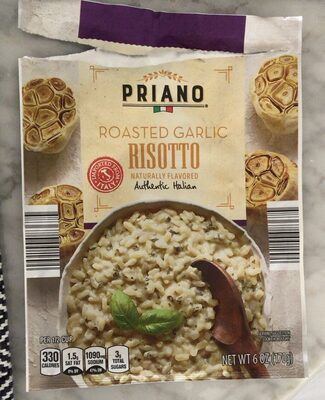
Roasted Garlic Risotto
Keto Analysis
We recommend searching for certified Keto alternatives.
Pro Tip
Always double-check the label. Manufacturers change ingredients frequently without notice!