
Is Roll Kosher? A Food Scientist's Ingredient Analysis
Yes, Roll is kosher. Based on a detailed analysis of the ingredient list provided, there are no animal-derived products or non-kosher additives present. This specific product appears to be suitable for a kosher diet, provided it carries a reliable certification symbol on its packaging.
The Ingredient Breakdown
To determine if this product meets kosher standards, we must look beyond the surface and analyze the specific components used in its creation. The primary ingredients are generally plant-based, but the additives and processing agents are where potential issues often arise.
The foundation of this product is enriched unbleached wheat flour. As a grain, wheat is inherently kosher. However, for wheat to be considered strictly kosher for Passover, it must not have come into contact with water before a specific time (the 'challah' separation). For standard consumption, flour is perfectly acceptable. The enrichment process adds vitamins like niacin and folic acid, which are synthetic or isolated vitamins and pose no kosher concerns.
The leavening agents—water and yeast—are the biological engines of the roll. Baker's yeast is a fungus, which is kosher. The combination of these ingredients with flour creates the rise. Interestingly, the ingredient list includes soybean oil rather than butter or other dairy fats. This is a crucial distinction, as it keeps the product 'pareve' (neutral), meaning it contains no meat or dairy derivatives.
Where things get complex is with the dough conditioners and nutrients. The list includes vital wheat gluten (extracted from wheat, kosher), salt, and a yeast nutrient (ammonium sulfate). Ammonium sulfate is a mineral salt used to feed yeast; it is chemically synthesized and is considered kosher. The dough conditioners listed—sodium stearoyl lactylate, ascorbic acid, and monocalcium phosphate—are emulsifiers and strengthening agents. Sodium stearoyl lactylate is often derived from stearic acid (which can be plant or animal-based), but in modern industrial baking, it is almost exclusively derived from plant sources (like palm or soy oil) unless specified otherwise. Without a specific flag, we assume the plant-derived source, which is kosher. Ascorbic acid is simply Vitamin C, and monocalcium phosphate is a leavening acid, both of which are kosher.
Finally, the preservative calcium propionate is used to inhibit mold. This is a synthetic organic acid salt, widely used in the baking industry, and is derived from propionic acid bacteria, making it kosher. There are no flags for lard, gelatin, non-kosher enzymes, or dairy in this list.
Nutritional Value
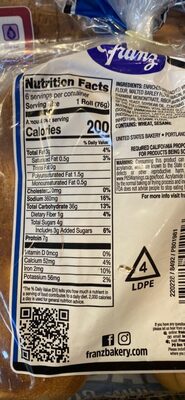
While the kosher status is confirmed, the nutritional profile is equally important for the health-conscious consumer. This roll is a refined carbohydrate source, primarily providing energy through enriched wheat flour and added sugar. The presence of sugar indicates a slightly sweet profile, common in dinner rolls to balance the savory notes of a meal.
Regarding fats, the use of soybean oil keeps the saturated fat content likely low, though specific numbers weren't provided in the input data. Generally, products like this are low in fat but high in carbohydrates. The enrichment process adds iron and B-vitamins, which are beneficial for energy metabolism. However, because it is made from enriched flour rather than whole wheat, it lacks the significant fiber content found in whole grain alternatives. This means it may spike blood sugar faster than a whole-grain roll. It fits within a standard diet as a source of quick energy, but for those managing blood sugar or seeking high fiber, portion control is key.
Frequently Asked Questions
Does Roll contain dairy or gluten?
Is Roll good for weight loss?
Where can I buy Roll?
Is Roll safe for kids?
Pro Tip
Always double-check the label. Manufacturers change ingredients frequently without notice!