
Is sausages Vegan?
No, sausages are not vegan. Despite featuring a vegetable-based casing, the primary ingredient is pork, making it strictly an animal product. This article breaks down the specific ingredients to explain why this product fails vegan standards.
The Ingredient Breakdown
When determining if a processed food is vegan, we must look beyond the marketing and inspect the label. The verdict for this product is a hard no, and the reasoning starts with the very first ingredient listed.
The most significant flag is pork (90%). In the food industry, the ingredient list is ordered by weight. Pork being the dominant component (90%) defines the product as meat-based. Vegans avoid all animal flesh, including pork, regardless of how it is processed.
However, an interesting technical detail exists here. The product is filled into vegetable based casings (calcium alginate). Alginate is derived from brown seaweed and is a common plant-based alternative to traditional animal intestines (collagen casings). While the casing is vegan, it is merely a container for the non-vegan filling. It is similar to a pie with a vegan crust but a meat filling; the whole item is not vegan.
Secondary ingredients also warrant scrutiny. Yeast extract is a flavor enhancer (often associated with umami) that is technically a fungus, not an animal, so it is generally considered vegan. However, dextrose (a sugar) and flavouring are ambiguous terms. While likely plant-derived in this context, strict vegans often avoid ambiguous E-numbers unless specified as non-animal. The presence of preservative: sodium metabisulphite is a chemical additive used to maintain color and freshness; it is synthetically produced and vegan-safe.
Ultimately, the sheer volume of pork renders the product non-vegan. The presence of spices like dried ginger, dried mace, and dried cayenne pepper adds flavor complexity but does not change the animal-based nature of the product.
Nutritional Value
While the vegan status is clear, the nutritional profile offers insight into how this product fits into a diet. Sausages are generally calorie-dense due to their fat content. The inclusion of rapeseed oil and the natural fat within pork contributes to a high fat content, specifically saturated fats, which should be consumed in moderation.
Regarding carbohydrates, ingredients like rice flour, cornflour, and dextrose provide starch and sugar. While the sugar content is likely low, the combination of processed meats with fillers like flour creates a product that is higher in calories than lean meat. It fits within a standard omnivorous diet as a source of protein, but due to the sodium metabisulphite and high salt content, it is not considered a 'health food' suitable for daily consumption by those monitoring blood pressure or heart health.
Frequently Asked Questions
Does sausages contain dairy or gluten?
Is sausages good for weight loss?
Where can I buy sausages?
Is sausages safe for kids?
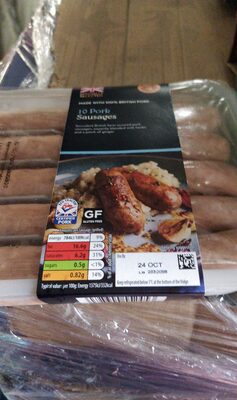
sausages
Vegan Analysis
We recommend searching for certified Vegan alternatives.
Pro Tip
Always double-check the label. Manufacturers change ingredients frequently without notice!