
Is SHIN RAMYUN Gluten Free?
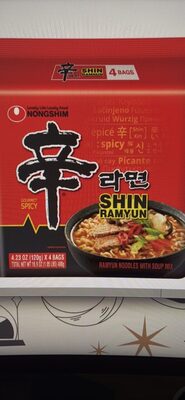
No, SHIN RAMYUN is not gluten-free. Despite its distinct Korean flavor profile, the standard Shin Ramyun noodle block is made primarily from wheat. If you have Celiac disease or a gluten sensitivity, you should avoid this product.
The Ingredient Breakdown
As a food scientist, I look at the source of the carbohydrate first. In the case of SHIN RAMYUN, the very first ingredient listed is Enriched wheat flour. This is the structural base of the noodle. Wheat flour contains gluten-forming proteins called gliadin and glutenin, which give the noodle its chewy texture. Because this is the main component, the product is inherently not safe for a gluten-free diet.
However, the gluten risk doesn't always stop at the flour. In instant noodles, flavoring packets can sometimes contain hidden gluten sources. In the Shin Ramyun ingredient list, we see Hydrolyzed soy protein and Hydrolyzed corn protein. While these are often gluten-free, they can be derived from wheat depending on the manufacturing process. Furthermore, ingredients like Modified corn starch and Maltodextrin are generally safe, but they are often processed in facilities that also handle wheat. For a strict gluten-free diet, the risk of cross-contamination in the flavoring sachet is a valid concern, though the main culprit remains the noodle block itself.
It is also worth noting the presence of Wheat in the Hydrolyzed Soy Protein section of the ingredient list (often indicated by the allergen statement, though not explicitly detailed in the raw list provided). The combination of wheat flour in the noodle and potential wheat derivatives in the flavoring makes this a hard 'no' for gluten-free enthusiasts.
Nutritional Value
From a nutritional standpoint, SHIN RAMYUN is a calorie-dense, high-sodium food. A standard serving contains roughly 450 to 500 calories, driven largely by the palm oil used to fry the noodles and the refined carbohydrates in the wheat flour. It is low in fiber and protein, meaning it provides quick energy but lacks the satiety of a whole-food meal.
The most significant concern for health is the sodium content. One packet can contain over 1,500mg of sodium, which is nearly 65% of the recommended daily limit. Additionally, the flavor enhancers—disodium guanylate, disodium inosinate, and monosodium glutamate (derived from the hydrolyzed proteins)—contribute to the savory 'umami' taste but can cause water retention and bloating. While it is a convenient meal, it should be consumed in moderation, especially for those monitoring blood pressure or caloric intake.
Frequently Asked Questions
Does SHIN RAMYUN contain dairy or gluten?
Is SHIN RAMYUN good for weight loss?
Where can I buy SHIN RAMYUN?
Is SHIN RAMYUN safe for kids?

SHIN RAMYUN
Gluten Free Analysis
We recommend searching for certified Gluten Free alternatives.
Pro Tip
Always double-check the label. Manufacturers change ingredients frequently without notice!