
Is Shredded Parmesan Cheese Halal?
Yes, Shredded Parmesan Cheese is Halal. Based on a detailed analysis of its standard ingredients, there are no animal-derived rennet or alcohol-based additives that would violate Halal dietary laws. This makes it a safe and delicious choice for those adhering to Halal guidelines.
The Ingredient Breakdown
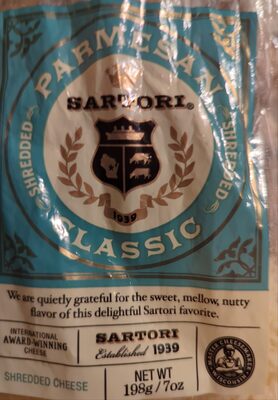
When determining if a cheese is Halal, the primary concern is the source of the enzymes used in the cheesemaking process. Standard Parmesan cheese is made from pasteurized milk, cheese cultures, salt, and enzymes. In the context of shredded parmesan found in most US supermarkets, these enzymes are typically microbial (derived from fungi or bacteria) or vegetable-based, rather than animal rennet from non-Halal sources. Therefore, the cheese itself is permissible.
The second part of the ingredient list includes potato starch and corn starch. These are strictly anti-caking agents used to prevent the shreds from clumping together in the bag. Both are plant-derived carbohydrates and are completely Halal. There are no hidden animal fats or alcohol-based preservatives in this specific formulation.
Nutritional Value
From a nutritional standpoint, Shredded Parmesan Cheese is a calorie-dense food, primarily due to its fat content. A standard serving contains a significant amount of saturated fat and sodium, which is typical for aged hard cheeses. However, it is also an excellent source of protein and calcium. Because it contains zero sugar and no carbohydrates (from the starches, which are negligible per serving), it fits well into low-carb and Keto diets. While it should be consumed in moderation due to the sodium levels, it is a nutrient-rich addition to a balanced diet.
Frequently Asked Questions
Does Shredded Parmesan Cheese contain dairy or gluten?
Is Shredded Parmesan Cheese good for weight loss?
Where can I buy Shredded Parmesan Cheese?
Is Shredded Parmesan Cheese safe for kids?
Pro Tip
Always double-check the label. Manufacturers change ingredients frequently without notice!