
Is Spaghetti noodles Gluten Free?
No, traditional Spaghetti noodles are not gluten-free. Based on the ingredient label of the Philadelphia Macaroni Company product, these noodles are made entirely from wheat. If you have Celiac disease or a gluten sensitivity, you should avoid this specific brand of pasta.
The Ingredient Breakdown
When analyzing whether a pasta product is safe for a gluten-free diet, we must look beyond the marketing and go straight to the source: the ingredient list. For the Philadelphia Macaroni Company Spaghetti, the composition is strictly traditional, meaning it relies entirely on wheat.
The primary ingredient listed is SEMOLINA (WHEAT). Semolina is a coarse flour made from wheat, specifically durum wheat. It is the gold standard for high-quality pasta because of its high protein content and gluten strength, which gives the noodles their signature 'al dente' bite. However, because it is derived from wheat, it is strictly prohibited on a gluten-free diet.
Following that, we see DURUM FLOUR (WHEAT). While semolina provides the texture, durum flour is often added to create a smoother dough. Like semolina, durum is a variety of wheat. The presence of these two distinct wheat ingredients confirms that this product is not gluten-free.
It is also important to note the manufacturing environment. The label states the product is manufactured in a facility that uses EGGS. While eggs are naturally gluten-free, cross-contamination is a risk in facilities that process wheat. However, the primary concern here is the intentional use of wheat as the main ingredient.
Nutritional Value
From a nutritional standpoint, standard wheat spaghetti is a dense source of carbohydrates. The ingredients list includes NIACIN, IRON, THIAMIN MONONOTRATE, RIBOFLAVIN, and FOLIC ACID. These are not naturally occurring in high amounts in refined wheat flour; they are added back during the enrichment process to replace nutrients lost during milling.
This enrichment makes the pasta a decent source of B vitamins and iron, which are essential for energy metabolism and blood health. However, because this is a refined wheat product without the fiber of whole grains, it can cause a sharper spike in blood sugar compared to legume-based pastas. It fits into a standard diet as a high-carbohydrate energy source, but it does not offer the high fiber or protein benefits found in modern gluten-free alternatives like chickpea or lentil pasta.
Frequently Asked Questions
Does Spaghetti noodles contain dairy or gluten?
Is Spaghetti noodles good for weight loss?
Where can I buy Spaghetti noodles?
Is Spaghetti noodles safe for kids?
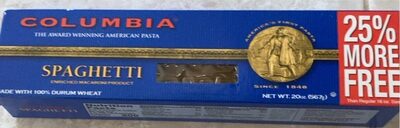
Spaghetti noodles
Gluten Free Analysis
We recommend searching for certified Gluten Free alternatives.
Pro Tip
Always double-check the label. Manufacturers change ingredients frequently without notice!