
Is Spanakopita Kosher?
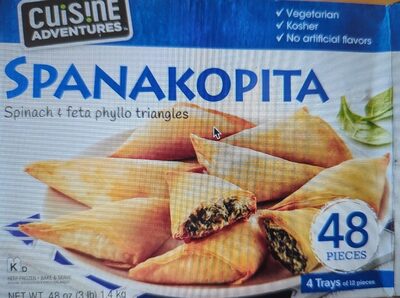
Yes, Spanakopita is generally considered Kosher. While it contains dairy and wheat, the specific ingredients listed—such as the use of microbial enzymes in the feta cheese—avoid common non-kosher animal byproducts. This classic Greek pastry is a safe bet for those keeping a kosher diet, provided it carries the proper certification.
The Ingredient Breakdown
When determining if a processed food like Spanakopita is kosher, we have to look beyond the obvious spinach and dough. The devil is in the details, specifically the cheese and the enzymes used in processing. Fortunately, the ingredient profile for this product aligns well with kosher standards.
The primary concern in pastries is usually the Feta cheese. Traditional feta is made with animal rennet, an enzyme extracted from the stomach lining of young ruminants, which is strictly non-kosher. However, the ingredients list here specifies microbial enzyme. This is a significant detail; it indicates the cheese is made with non-animal rennet (usually derived from fungi or yeast), making it perfectly acceptable for a kosher diet.
Next, we look at the fats and binders. The product contains butter and egg, which are inherently kosher (pareve or dairy). The use of canola oil is also a positive sign, as it is a vegetable fat that does not carry the risks associated with lard or other animal shortening. Finally, while the enriched flour and vital wheat gluten confirm this is not a gluten-free item, wheat is naturally kosher. The only caveat here is during Passover, where this product would require a specific Kosher for Passover certification due to the leavening agents.
Nutritional Value
From a nutritional standpoint, Spanakopita is a dense source of energy. A standard serving typically contains between 200 and 300 calories, driven largely by the enriched flour in the phyllo dough and the canola oil used to achieve that flaky texture. While it provides a decent amount of protein from the feta cheese and egg, it is also relatively high in saturated fat due to the butter and cheese content.
Regarding sugar, the inclusion of dextrose and modified corn starch adds a small amount of simple carbohydrates, though it is not considered a high-sugar food compared to desserts. For those monitoring their sodium intake, the combination of salt in the dough and the naturally salty feta cheese makes this a high-sodium food. It fits well into a balanced diet as a savory treat, but portion control is key due to the calorie density.
Frequently Asked Questions
Does Spanakopita contain dairy or gluten?
Is Spanakopita good for weight loss?
Where can I buy Spanakopita?
Is Spanakopita safe for kids?
Pro Tip
Always double-check the label. Manufacturers change ingredients frequently without notice!