
Is Spicy Queso Keto?
No, Spicy Queso is not keto-friendly. While the base ingredients like cheese and peppers seem low-carb, a closer look at the label reveals hidden sugars and starches that can disrupt ketosis. If you are strictly following a ketogenic diet, this specific product is likely a trap.
The Ingredient Breakdown
As a food scientist, I look beyond the marketing claims and straight at the formulation. Spicy Queso is a classic example of a product that appears safe on the surface but contains specific additives designed to bulk up the volume and shelf stability at the expense of your carb count. Here is why the ingredients list fails the keto test.
The first red flag is sugar. Sugar is a direct carbohydrate that adds to your daily limit immediately. Even small amounts in processed foods can add up, especially when you consider serving sizes. The second major offender is maltodextrin. This is a highly processed starch derived from corn, rice, potatoes, or wheat. It has a glycemic index (GI) even higher than table sugar—often ranking around 105 to 110 compared to sugar's 65. This means it causes a rapid spike in blood glucose and insulin, which is the exact opposite of what you want on a keto diet.
Furthermore, the presence of mono and diglycerides and xanthan gum indicates a highly processed emulsion. While emulsifiers aren't necessarily high in carbs, they signal that this is an ultra-processed food product, not a whole-food cheese sauce. The combination of sodium phosphate (a melting agent) and maltodextrin creates a texture that mimics real cheese sauce without the nutritional integrity, making it a 'dirty keto' nightmare.
Nutritional Value
When evaluating a keto product, the 'Net Carbs' calculation is king (Total Carbs minus Fiber). Unfortunately, the nutritional profile of Spicy Queso is compromised by the inclusion of sugar and maltodextrin. These ingredients contribute directly to the total carbohydrate count without offering any fiber to offset them.
For a standard serving of queso, you might expect a negligible carb count. However, with this product, the hidden starches push the number up. Maltodextrin is particularly deceptive because it is often used as a thickener, meaning you consume it in every bite. If you are tracking your macros strictly, consuming even half a cup of this queso could use up a significant portion of your daily 20-gram carb allowance, leaving no room for nutrient-dense vegetables like broccoli or leafy greens. While the fat content from the vegetable oil and cheese provides calories, the metabolic interference from the sugar and starch makes it a poor choice for maintaining nutritional ketosis.
Frequently Asked Questions
Does Spicy Queso contain dairy or gluten?
Is Spicy Queso good for weight loss?
Where can I buy Spicy Queso?
Is Spicy Queso safe for kids?
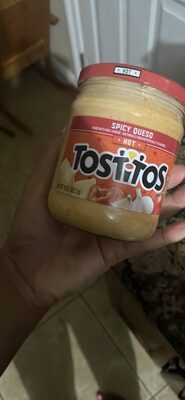
Spicy Queso
Keto Analysis
We recommend searching for certified Keto alternatives.
Pro Tip
Always double-check the label. Manufacturers change ingredients frequently without notice!