
Is Sponch marshmallow cookies Halal?
No, Sponch marshmallow cookies are not considered Halal. While the ingredients list may seem standard for a marshmallow treat, the inclusion of gelatin is a critical red flag. This single ingredient typically disqualifies the product from being permissible under Islamic dietary laws.
The Ingredient Breakdown
As a food scientist, I analyze ingredients lists to determine the suitability of products for specific dietary needs. For Sponch marshmallow cookies, the verdict is clear, though it requires a bit of digging into the chemistry of the ingredients. The primary issue lies in the gelatin. Gelatin is a protein obtained by boiling skin, tendons, ligaments, and/or bones with water. It is usually obtained from cows or pigs. In the context of Halal, gelatin derived from pork is strictly forbidden (Haram), and gelatin from non-Halal slaughtered cattle is also considered Haram by most scholars. Unless the product is explicitly certified as Halal with a specific source (like beef from a Halal source or fish gelatin), its presence is a disqualifier. In mass-market products like Sponch, the gelatin is almost certainly porcine (pork) or beef from non-Halal sources, making the cookies impermissible.
Furthermore, we must look at the artificial colors such as Red 40 and Yellow 5. While these are chemically synthesized and generally considered Halal from a chemical standpoint (unlike carmine, which is insect-derived), the strictest Halal certifications sometimes avoid them due to the potential for animal testing in their development or trace animal byproducts in manufacturing aids. However, the gelatin is the definitive dealbreaker here. The egg whites are Halal, as are the vegetable shortening and coconut. The sugar and wheat flour are also inherently Halal, though wheat can sometimes be processed with alcohol, which is unlikely in this specific product. The core issue remains the gelatin.
Nutritional Value
From a nutritional standpoint, Sponch marshmallow cookies are a high-calorie, high-sugar treat. The primary ingredients driving the calorie count are sugar, high fructose corn syrup, and vegetable shortening. A single serving contains a significant amount of added sugar, which contributes to empty calories and can spike blood glucose levels. The presence of hydrogenated coconut oil and vegetable shortening indicates a moderate fat content, primarily saturated and unsaturated fats. While not excessively high in fat per serving, the combination of high sugar and fat makes it a calorie-dense snack. It also contains added vitamins and minerals like ferrous fumarate (iron) and zinc citrate, which are common in fortified processed foods but do not negate the high sugar content. For those monitoring sugar intake or looking for nutrient-dense snacks, this product does not fit the criteria.
Frequently Asked Questions
Does Sponch marshmallow cookies contain dairy or gluten?
Is Sponch marshmallow cookies good for weight loss?
Where can I buy Sponch marshmallow cookies?
Is Sponch marshmallow cookies safe for kids?

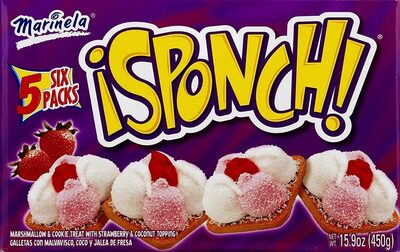
Sponch marshmallow cookies
Halal Analysis
We recommend searching for certified Halal alternatives.
Pro Tip
Always double-check the label. Manufacturers change ingredients frequently without notice!