
Is Sushi Seasoning Gluten Free?
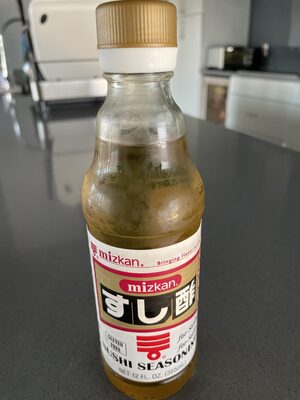
Yes, Sushi Seasoning is gluten-free. Based on the standard ingredient profile, this seasoning blend contains no wheat, barley, or rye derivatives, making it a safe flavor enhancer for those with celiac disease or gluten sensitivity. Let's dive into the specific ingredients to understand why this pantry staple passes the gluten test.
The Ingredient Breakdown
When investigating whether a processed food is safe for a gluten-free diet, the devil is in the details. As a food scientist, I look past the marketing claims and analyze the chemical composition. For Sushi Seasoning, the ingredient list is surprisingly straightforward and avoids the most common gluten-containing culprits.
The primary components are high fructose corn syrup, various vinegars, salt, brown sugar, and monosodium glutamate (MSG). Let's address the vinegar concern first, as this is a frequent point of confusion. The product uses distilled vinegar and rice vinegar. In the United States and most other countries, distilled vinegar is processed to the point where the gluten protein is removed during distillation, leaving behind a gluten-free liquid. Rice vinegar is naturally gluten-free. Therefore, the acid component poses no risk.
Next, we look at the flavor enhancers. Monosodium glutamate is simply a salt form of glutamic acid, an amino acid found naturally in foods like tomatoes and cheese. It is synthesized from sugar cane or corn fermentation and contains no gluten. Finally, high fructose corn syrup and brown sugar are pure sweeteners derived from corn and sugarcane, respectively. While brown sugar is sometimes processed with molasses, it does not introduce gluten. There are no hidden thickeners, hydrolyzed wheat proteins, or malt flavorings in this formulation.
Nutritional Value
While Sushi Seasoning is chemically safe regarding gluten, it is important to consider its nutritional profile. This is a concentrated flavoring agent, meaning a little goes a long way, but it is also high in sugar and sodium. The presence of high fructose corn syrup and brown sugar places this in the category of an added sugar. If you are monitoring your glycemic index or managing diabetes, you will need to account for the carbohydrates found in this seasoning.
From a caloric standpoint, the product is low in fat and contains negligible protein. However, the sodium content (derived from salt and MSG) can be significant. For individuals on a low-sodium diet or those with hypertension, using this seasoning requires moderation. It fits well into a gluten-free diet, but for those strictly adhering to whole-food or low-sugar protocols, it acts as a processed condiment rather than a health food.
Frequently Asked Questions
Does Sushi Seasoning contain dairy or gluten?
Is Sushi Seasoning good for weight loss?
Where can I buy Sushi Seasoning?
Is Sushi Seasoning safe for kids?
Pro Tip
Always double-check the label. Manufacturers change ingredients frequently without notice!