
Is Sweetened corn cereal Vegan?
No, standard sweetened corn cereal is not considered strictly vegan. While the base ingredients like corn and sugar seem plant-based, a closer look at the vitamin fortification reveals a hidden animal derivative. This article breaks down exactly why this popular breakfast staple doesn't make the cut for a strict plant-based diet.
The Ingredient Breakdown
As a food scientist, I often tell people that veganism isn't just about avoiding meat; it's about scrutinizing the molecular origins of every additive. When we look at the ingredient list for sweetened corn cereal, the first few items are standard fare. Milled corn is obviously ground-up maize, and vegetable oils (like hydrogenated coconut or soybean) are plant-derived. However, the controversy begins with the sugar and the vitamins.
First, there is the issue of sugar and corn syrup. In the United States, white sugar is often processed using bone char—a granular material made from animal bones—to bleach it and remove impurities. While not all brands use this method, it is a common industry practice that makes strict vegans wary. Even more definitive, however, is the Vitamin D3 listed in the fortification blend. Vitamin D3 (cholecalciferol) is the most effective form of Vitamin D for humans, but it is almost exclusively sourced from lanolin, the waxy grease extracted from sheep's wool. While synthetic D2 is vegan, D3 is not, and its presence here is the definitive reason this cereal fails the vegan test.
Finally, we must look at wheat starch. While wheat is a plant, the inclusion of wheat starch means the product contains gluten, which is a concern for those with Celiac disease or gluten sensitivity, though it remains technically plant-based. The BHT (Butylated Hydroxytoluene) used to keep the cereal fresh is a synthetic antioxidant, which is chemically vegan but often debated in health-conscious circles due to potential long-term health effects.
Nutritional Value
From a nutritional standpoint, sweetened corn cereal is designed to be a fortified energy source. The base ingredient, milled corn, provides complex carbohydrates for quick energy. However, the addition of sugar and corn syrup significantly spikes the glycemic index, meaning this cereal can cause a rapid rise in blood sugar followed by a crash, which isn't ideal for sustained energy levels throughout the morning.
The fortification is actually the strongest nutritional selling point. The inclusion of reduced iron, vitamin a palmitate, and a full spectrum of B vitamins (niacinamide, thiamin, riboflavin) turns a simple starch into a 'complete' breakfast. For individuals with limited access to fresh produce, this fortified profile helps prevent deficiencies. However, the calorie density is high relative to the satiety it provides; because it lacks significant fiber or protein, you may feel hungry again sooner than you would after eating a bowl of oatmeal or whole-grain toast.
Frequently Asked Questions
Does Sweetened corn cereal contain dairy or gluten?
Is Sweetened corn cereal good for weight loss?
Where can I buy Sweetened corn cereal?
Is Sweetened corn cereal safe for kids?

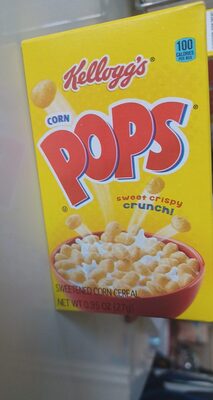
Sweetened corn cereal
Vegan Analysis
We recommend searching for certified Vegan alternatives.
Pro Tip
Always double-check the label. Manufacturers change ingredients frequently without notice!