
Is Swiss cheese Halal?
Yes, Swiss cheese is generally considered Halal. Based on the standard ingredients found in most commercial varieties, there are no prohibited substances involved in its production. This article provides a detailed breakdown of why this popular cheese fits within a Halal diet.
The Ingredient Breakdown
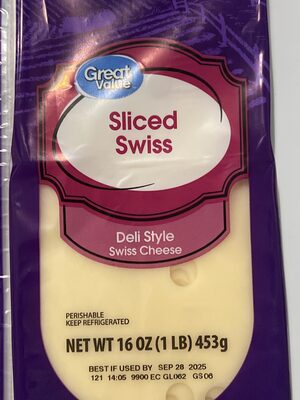
When determining if a food product is Halal, we must look at the source of every ingredient. For standard Swiss cheese, the label typically reads: pasteurized part-skim milk, cheese culture, salt, and enzymes. Let's analyze these individually.
First, pasteurized part-skim milk is the primary base. Milk from a cow is inherently Halal, provided the animal is healthy and slaughtered according to Islamic rites. However, in cheese making, the milk is not slaughtered; it is simply collected. Therefore, dairy is a staple of the Halal diet.
The cheese culture refers to the bacteria added to ferment the milk. These cultures are grown on nutrient media that are plant-based or dairy-based. Unlike yeast used in some breads, cheese cultures are not exposed to alcohol or animal-derived enzymes during their growth phase, making them safe for consumption.
The most critical ingredient to scrutinize in cheese is the enzymes. Historically, cheese was made using rennet derived from the stomach lining of unweaned calves, lambs, or kids. If this traditional rennet is used, the cheese would not be Halal. However, the enzymes listed in standard Swiss cheese today are almost exclusively microbial enzymes (fungal or bacterial) or vegetable enzymes. These are synthesized in a lab setting and contain no animal tissue. Therefore, the enzyme flag is cleared.
Nutritional Value
While the Halal status is confirmed, the nutritional profile of Swiss cheese is also worth noting for those managing a healthy diet. Swiss cheese is known for being slightly lower in sodium compared to other hard cheeses like cheddar, which is a benefit for heart health.
In terms of macronutrients, Swiss cheese is a dense source of protein and fat. A standard serving contains roughly 100-110 calories per ounce, with about 8 grams of fat and 7 grams of protein. It contains almost zero carbohydrates and sugar, making it an excellent option for low-carb or ketogenic diets.
However, because it is calorie-dense, portion control is key if you are monitoring your weight. It also provides a significant amount of calcium, which supports bone health. Overall, it fits well into a balanced diet as a source of high-quality protein.
Frequently Asked Questions
Does Swiss cheese contain dairy or gluten?
Is Swiss cheese good for weight loss?
Where can I buy Swiss cheese?
Is Swiss cheese safe for kids?
Pro Tip
Always double-check the label. Manufacturers change ingredients frequently without notice!