
Is SWISS cheese Keto?
Yes, SWISS cheese is Keto. With its near-zero carbohydrate count and high fat content, it fits perfectly into the ketogenic diet. This analysis breaks down the ingredients and nutritional profile to confirm why it's a safe choice for your low-carb lifestyle.
The Ingredient Breakdown
When analyzing a cheese for the ketogenic diet, the goal is simple: high fat, moderate protein, and virtually zero carbohydrates. SWISS cheese achieves this through a minimalist, traditional ingredient list. Let's look at the specific components found in the product profile.
First, we have PASTEURIZED PART-SKIM MILK. This is the base of the cheese. While 'part-skim' might sound like a reduction in fat, Swiss cheese is still naturally high in fat and protein. Crucially, milk contains lactose (milk sugar), but the cheesemaking process consumes most of it. This results in a final product that is very low in sugar and carbs, making it ideal for Keto.
The next ingredients are CHEESE CULTURE, SALT, and MICROBIAL ENZYMES. These are the standard agents used to turn milk into cheese. The cultures develop the flavor, the enzymes coagulate the milk (curdling it), and salt adds taste and preservation. None of these contain carbohydrates or hidden sugars. There are no starches, fillers, or additives that would spike the carb count.
Finally, the label mentions MILK as an allergen. While this is important for those with allergies, it confirms the product is dairy-based and contains no gluten or grain derivatives. For a strict Keto dieter, this clean label is exactly what you are looking for.
Nutritional Value
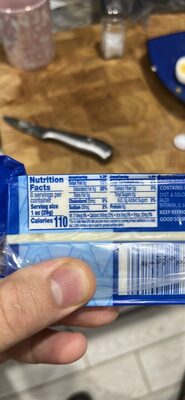
To truly understand if SWISS cheese fits the Keto macros, we need to look at the numbers. A standard serving of Swiss cheese (1 ounce) typically contains approximately 110 calories. The macronutrient breakdown is where it shines for Keto.
It packs about 8 to 9 grams of fat, which is the primary energy source for a ketogenic diet. It also provides a solid 7 to 8 grams of protein, which helps with satiety and muscle maintenance. But the most important number for Keto is the carbohydrate count: it is less than 1 gram per serving. Specifically, it usually contains about 0.4 grams of carbs and 0 grams of sugar.
Because the sugar content is negligible and the net carb count is virtually zero, SWISS cheese will not disrupt ketosis. It fits easily within the daily limit of 20-50 grams of net carbs. Furthermore, it is a great source of calcium and vitamin B12, adding nutritional density without the carb penalty.
Frequently Asked Questions
Does SWISS cheese contain dairy or gluten?
Is SWISS cheese good for weight loss?
Where can I buy SWISS cheese?
Is SWISS cheese safe for kids?
Pro Tip
Always double-check the label. Manufacturers change ingredients frequently without notice!