
Is Swiss cheese Vegan?
No, Swiss cheese is not vegan. As a dairy product derived directly from animal milk, it strictly violates the core principles of a vegan diet. In this article, we will break down exactly why standard Swiss cheese is off-limits for vegans and explore the specific ingredients that make it a dairy staple.
The Ingredient Breakdown
When analyzing whether a food fits into a vegan lifestyle, we look strictly at the source of its ingredients. Standard Swiss cheese is a product of the dairy industry, and its manufacturing process relies entirely on animal byproducts. Let's look at the typical ingredients found in a block of Swiss cheese: pasteurized part skim milk, cheese culture, salt, and enzymes.
The primary ingredient, pasteurized part skim milk, is the immediate dealbreaker. Milk is produced by mammals (typically cows for Swiss cheese) specifically to feed their young. For vegans, consuming milk involves the exploitation of the animal, making it non-vegan by definition. There is no way to produce traditional Swiss cheese without this ingredient.
The enzymes used in cheesemaking also require scrutiny. While some cheeses use microbial or vegetable-based enzymes, traditional Swiss cheese often utilizes rennet. Rennet is a complex of enzymes found in the stomach lining of young ruminants (like calves) and is essential for coagulating the milk. Even if a specific brand uses 'microbial rennet' (derived from fungi or bacteria), the presence of milk still renders the final product non-vegan.
Nutritional Value
While Swiss cheese is not suitable for vegans, it is nutritionally dense for those who do consume dairy. A standard serving of Swiss cheese is relatively low in calories compared to other cheeses but packs a significant amount of protein and calcium. It is particularly famous for its high calcium content, which supports bone health.
Regarding fat and sugar, Swiss cheese contains a moderate amount of saturated fat and almost zero sugar (unless it is a processed cheese product). It fits well into low-carb or keto diets, but those watching their sodium intake should be mindful, as cheese is naturally salty. It is a nutrient-dense food, but the health benefits are offset for vegans by the ethical and environmental costs of dairy farming.
Frequently Asked Questions
Does Swiss cheese contain dairy or gluten?
Is Swiss cheese good for weight loss?
Where can I buy Swiss cheese?
Is Swiss cheese safe for kids?

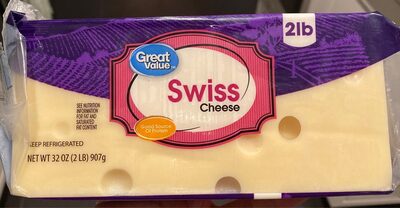
Swiss cheese
Vegan Analysis
We recommend searching for certified Vegan alternatives.
Pro Tip
Always double-check the label. Manufacturers change ingredients frequently without notice!