
Is Telera Rolls Gluten Free?
No, Telera Rolls are not gluten-free. If you are managing celiac disease or a severe gluten intolerance, you must avoid this product entirely. Our investigation of the ingredient label confirms the presence of multiple gluten-containing sources that make these rolls unsafe for a gluten-free diet.
The Ingredient Breakdown
As a food scientist, I look beyond the marketing claims and go straight to the formulation. When analyzing the ingredient list for Telera Rolls, the evidence against them being gluten-free is overwhelming right from the first ingredient.
The primary ingredient is Enriched Flour. In the context of bread products, unless specifically labeled as wheat-free or gluten-free (like almond or cassava flour), 'enriched flour' is a synonym for wheat flour. Wheat is one of the three primary grains containing gluten, alongside rye and barley.
Further down the list, we see Wheat Gluten listed as a distinct ingredient. Manufacturers add isolated wheat gluten to bread dough to increase elasticity and chewiness, which is a hallmark of rolls like Telera. This is a concentrated form of gluten, making the product particularly high in the protein that triggers autoimmune reactions in celiacs.
Perhaps the most subtle but definitive flag is the inclusion of Malted Barley Flour. Barley is the third major gluten-containing grain. Malted barley is often used in baking to enhance yeast activity and add a specific nutty flavor profile. The presence of barley, combined with the wheat, confirms that this is a multi-grain gluten product, not a single-source wheat item.
Finally, ingredients like Cultured Wheat Sponge and DATEM (Diacetyl Tartaric Acid Esters of Monoglycerides) are wheat-derived conditioners used to improve dough structure. While DATEM can technically be derived from other sources, in a wheat-based product, it is almost certainly derived from wheat. Therefore, every component of this roll contributes to its gluten content.
Nutritional Value
While Telera Rolls are not suitable for a gluten-free diet, they do have a specific nutritional profile that might appeal to those without dietary restrictions. A standard serving of these rolls is relatively low in fat, relying primarily on enriched flour and water for its bulk. The addition of Soybean Oil provides a small amount of fat, which contributes to the soft texture and mouthfeel, but keeps the saturated fat content relatively low compared to butter-based breads.
Regarding carbohydrates, these rolls are a standard refined carbohydrate source. They provide quick energy but lack the fiber found in whole-grain alternatives. The Sugar content is minimal but present, used to feed the yeast and balance the savory flavors. It is worth noting the inclusion of preservatives like Calcium Propionate, which is standard in commercial bakery items to prevent mold growth and extend shelf life. For the average consumer looking for a standard dinner roll, the nutritional profile is typical of white bread products.
Frequently Asked Questions
Does Telera Rolls contain dairy or gluten?
Is Telera Rolls good for weight loss?
Where can I buy Telera Rolls?
Is Telera Rolls safe for kids?
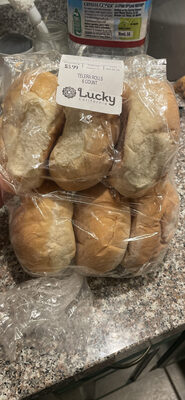
Telera Rolls
Gluten Free Analysis
We recommend searching for certified Gluten Free alternatives.
Pro Tip
Always double-check the label. Manufacturers change ingredients frequently without notice!