
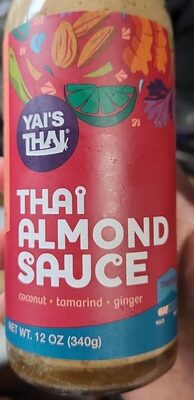
Is Thai Almond (No Peanut) Sauce Keto?
Yes, Thai Almond (No Peanut) Sauce is keto-friendly. This sauce swaps traditional peanuts for low-carb almonds and relies on coconut milk for creaminess, making it a safe bet for your low-carb diet. While it contains natural sugars from tamarind and fruit juices, the carb count remains well within keto limits when used in moderation.
The Ingredient Breakdown
As a food scientist, I look past the marketing claims and straight at the formulation. The keto status of this sauce hinges on its fat sources and the absence of hidden starches. Here is why this specific blend works for a ketogenic lifestyle.
The primary base of this sauce is a combination of almonds and coconut milk. This is an excellent foundation for keto. Almonds are naturally low in net carbohydrates and high in monounsaturated fats (specifically oleic acid), which aligns perfectly with the high-fat requirements of the diet. Coconut milk adds volume and satiety through medium-chain triglycerides (MCTs), which the body can convert directly into ketones.
For acidity and tang, the recipe utilizes tamarind juice, lime juice, and vinegar. Tamarind is the ingredient to watch here; it is naturally higher in sugar than most spices. However, because it is used as a juice rather than a concentrated paste, and balanced by the high volume of fats, the glycemic load remains low. The high oleic sunflower oil is a neutral addition that boosts the fat content without adding carbs.
When it comes to thickening, many sauces use wheat flour or cornstarch. This sauce uses organic gums (acacia, guar). These are soluble fibers that act as thickeners but have a negligible impact on blood sugar. They are technically carbohydrates, but because they are fiber, they do not count toward your net carb total. This makes them a safe, keto-compliant alternative to starches.
Finally, the flavor profile comes from ginger, garlic, lemongrass, and Thai chilis. These are all extremely low-carb and provide antioxidants without spiking insulin. The presence of shallots and red bell pepper adds a trace amount of sugar, but the quantity is minimal in the final serving size.
Nutritional Value
From a nutritional standpoint, this sauce is designed as a fat-forward condiment. A standard serving of Thai Almond (No Peanut) Sauce typically contains between 2 to 4 grams of net carbohydrates per serving (usually 2 tablespoons). For context, a strict keto diet limits you to roughly 20 grams of net carbs per day, meaning this sauce consumes only a small fraction of your allowance.
The calorie count is moderate, largely derived from the almonds and coconut milk. You can expect roughly 60 to 90 calories per serving, with the vast majority coming from fats (5 to 8 grams). This high-fat ratio is beneficial for maintaining ketosis. Unlike sugary BBQ sauces or teriyaki glazes that can easily exceed 10-15 grams of sugar per serving, this sauce relies on the natural sweetness of fruit juices and vegetables, keeping the sugar content likely under 2 grams per serving.
It is also worth noting the micronutrient profile. The inclusion of vitamin D and calcium (likely added as Calcium Citrate Malate or similar fortification) is a bonus for bone health. The sodium content from sea salt is helpful for electrolyte maintenance, which is often a challenge on keto. Overall, the nutritional macro profile fits the keto template perfectly: high fat, moderate protein, and low carbohydrate.
Frequently Asked Questions
Does Thai Almond (No Peanut) Sauce contain dairy or gluten?
Is Thai Almond (No Peanut) Sauce good for weight loss?
Where can I buy Thai Almond (No Peanut) Sauce?
Is Thai Almond (No Peanut) Sauce safe for kids?


Pro Tip
Always double-check the label. Manufacturers change ingredients frequently without notice!